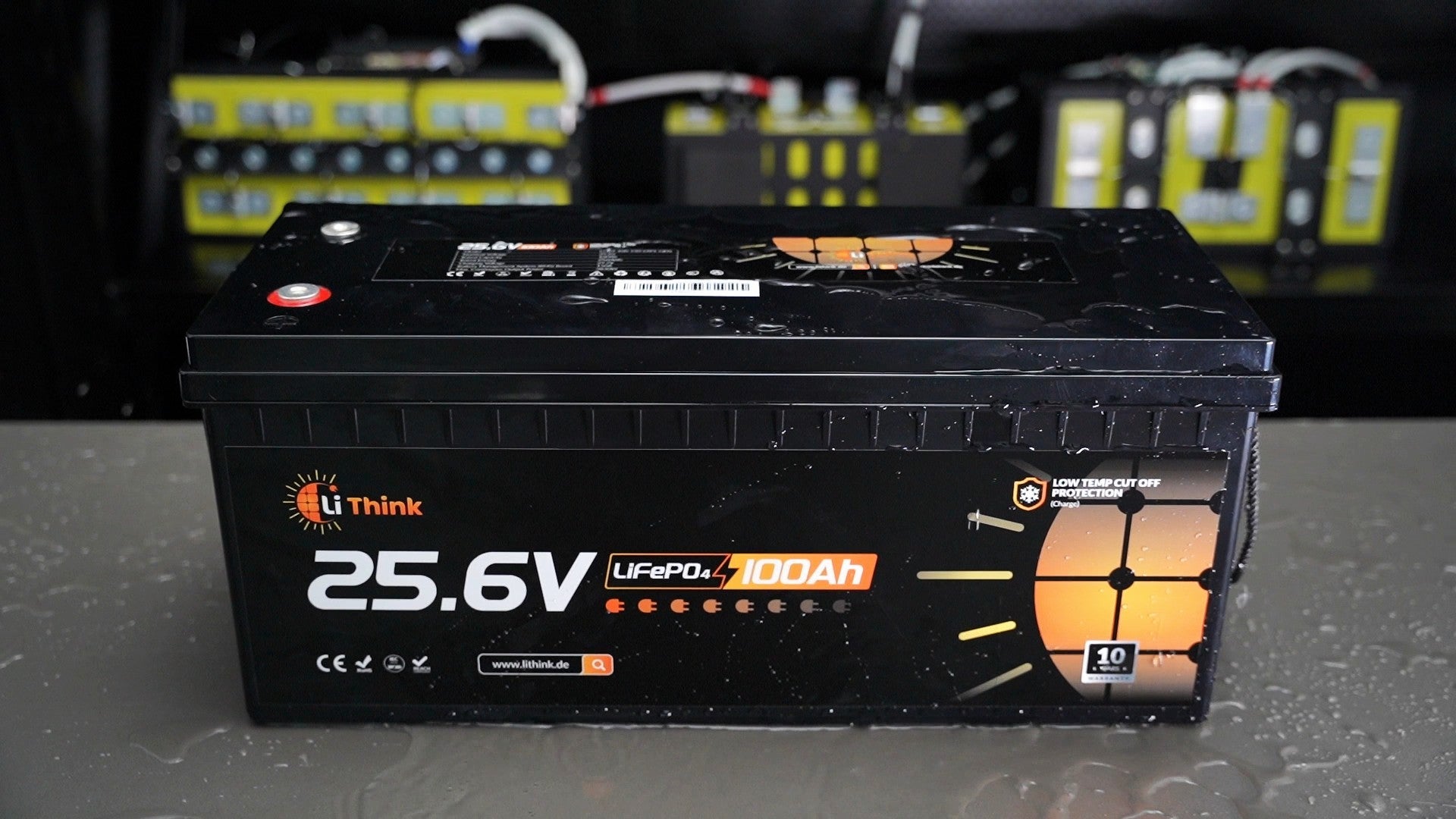
Why internal design matters over the long run

On paper, batteries can look similar. In real use, internal design is what separates short-term performance from long-term reliability. Road vibration, wave impact, shipping stress, temperature swings, dust, and moisture all test the frame, insulation, wiring, fasteners, and sealing. Good engineering keeps the structure stable, the wiring protected, and the inside clean year after year.

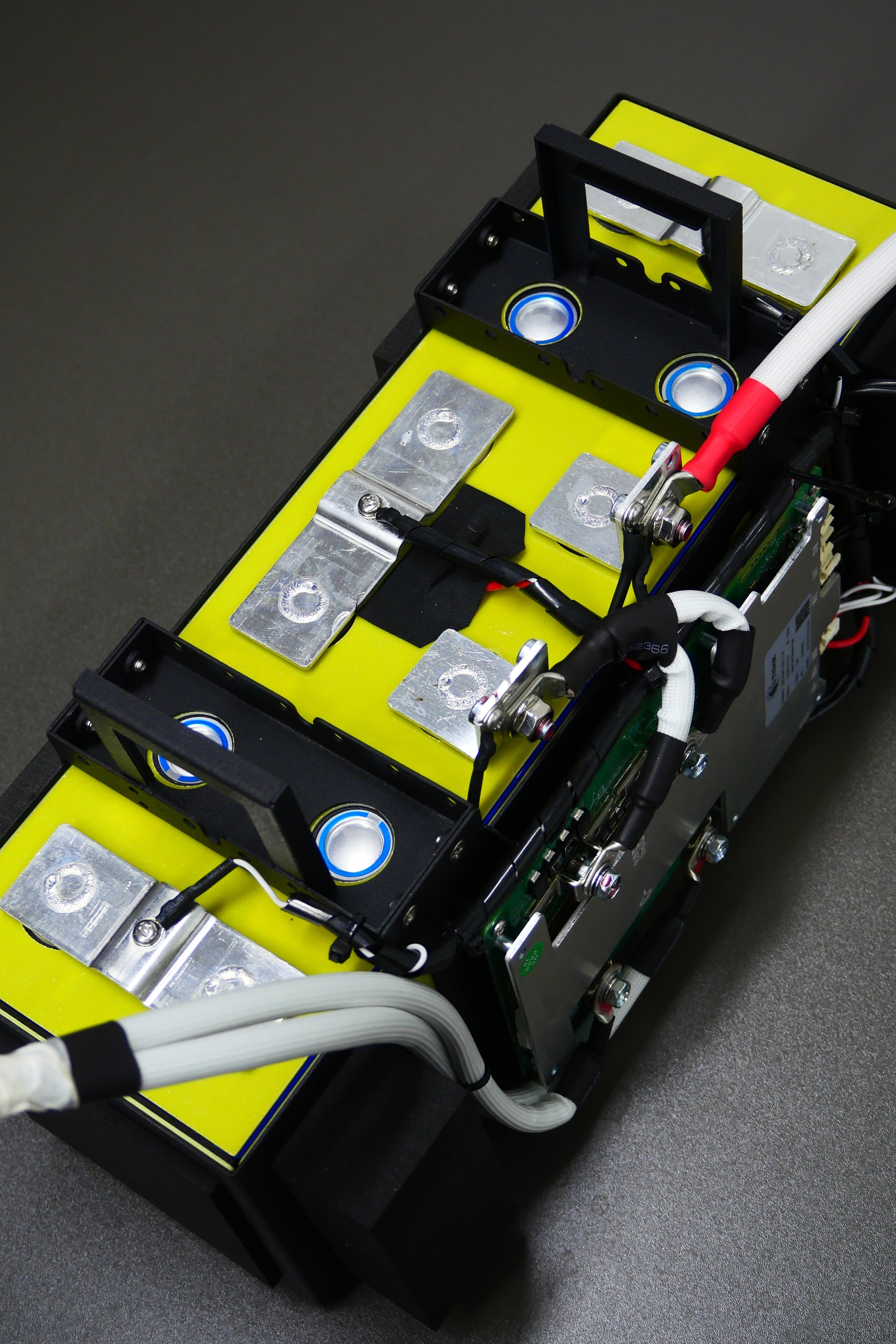
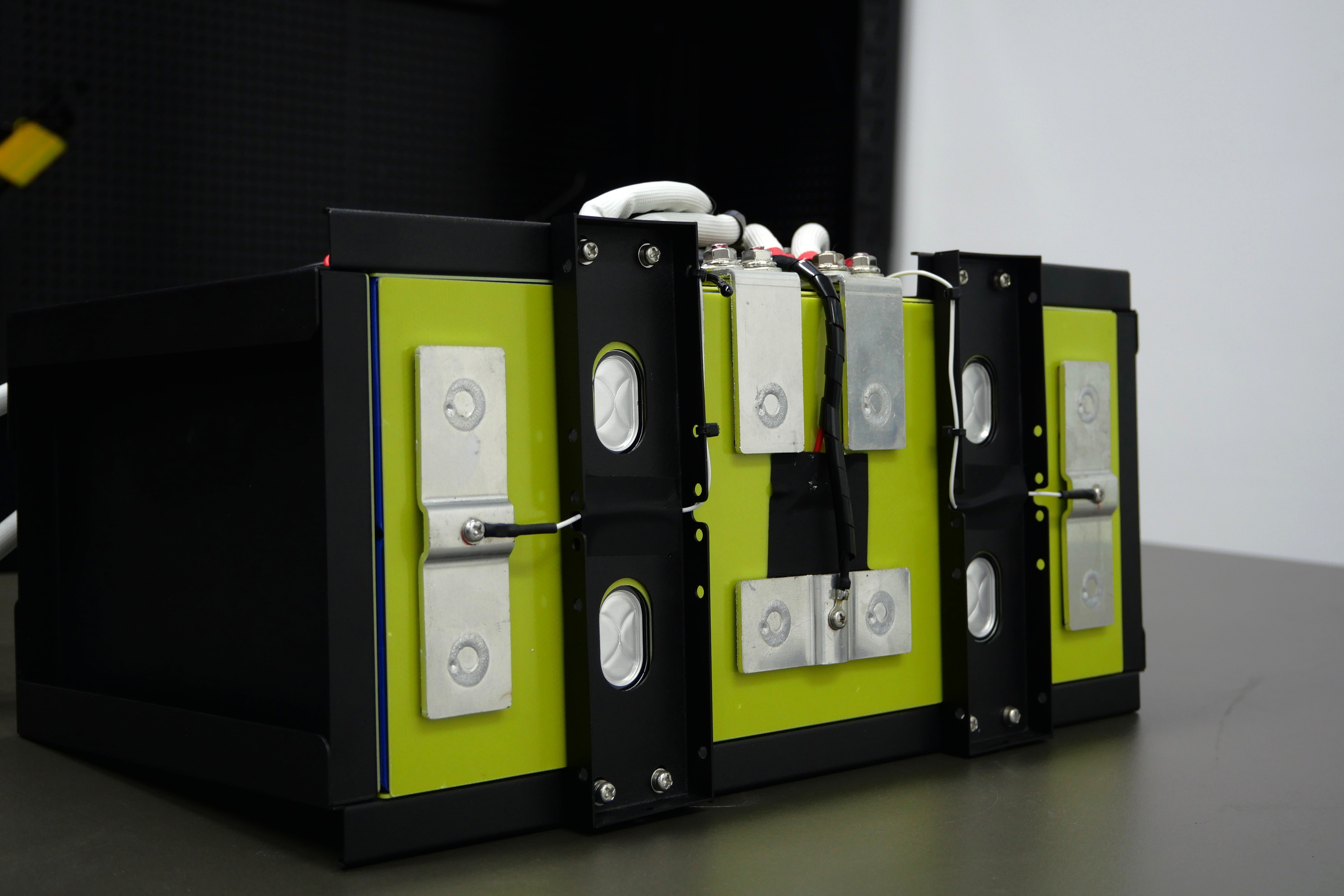
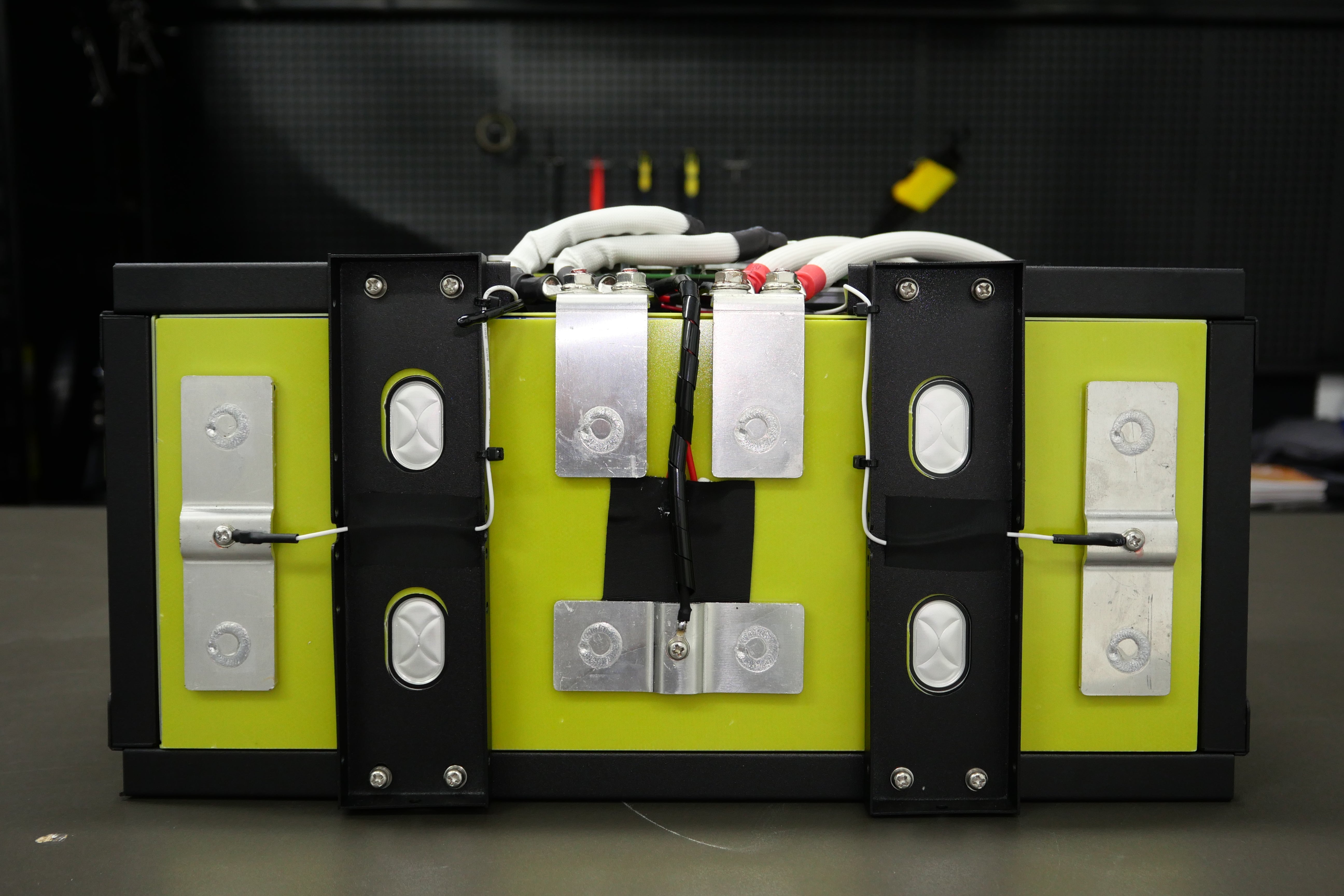
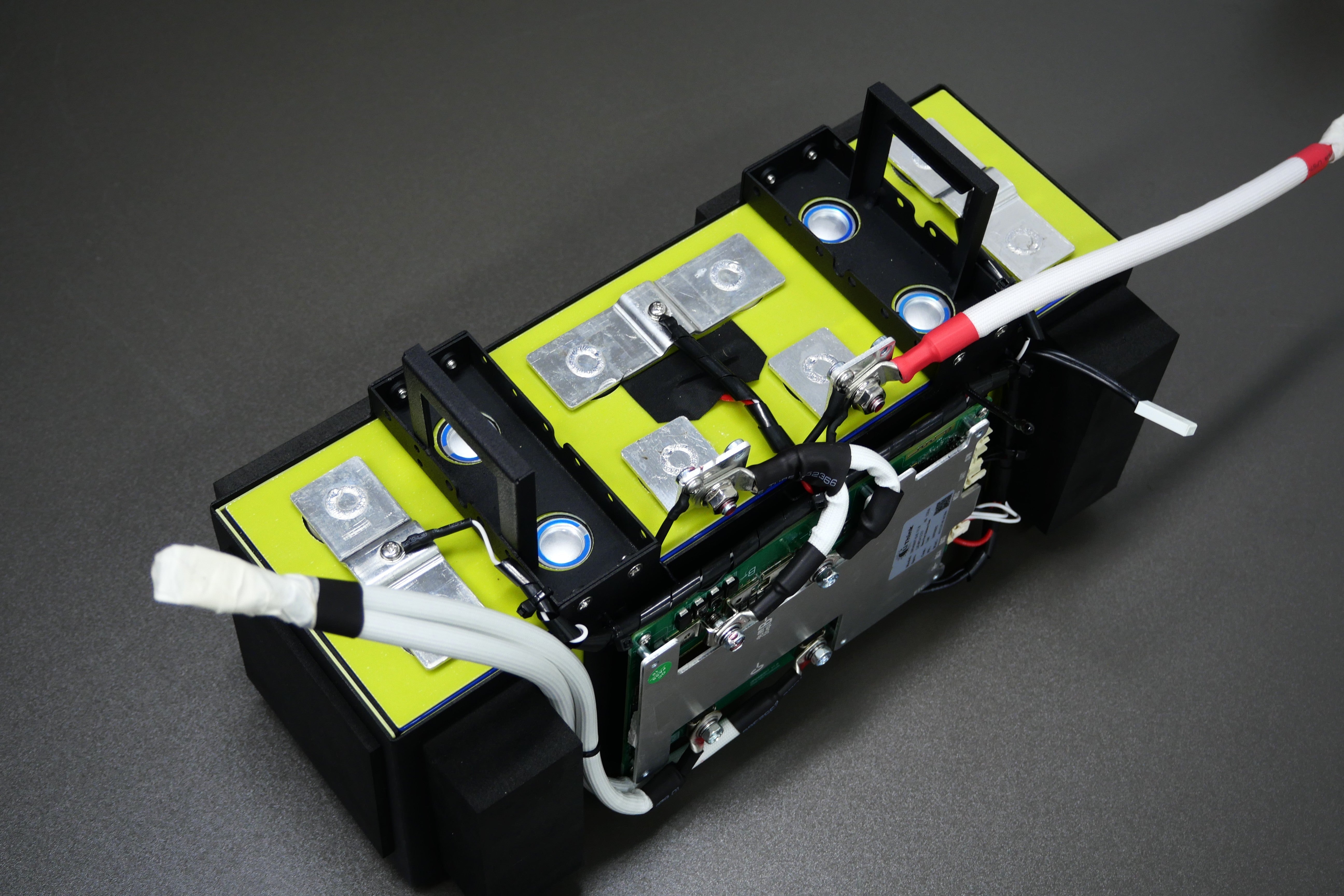
Alloy support frame

Upgrade: We moved from simple compression straps to a rigid aluminum-alloy support frame.

Why it matters: The structure is stiffer, better at handling vibration and impact, and better at keeping cells securely in place.

Six-sided epoxy insulation

Upgrade: We moved beyond partial pads and half-wrap protection to full six-sided epoxy insulation.

Why it matters: It gives the edges better protection, improves full-surface insulation, and reduces the risk of leakage current.

Fiber-braided cable routing

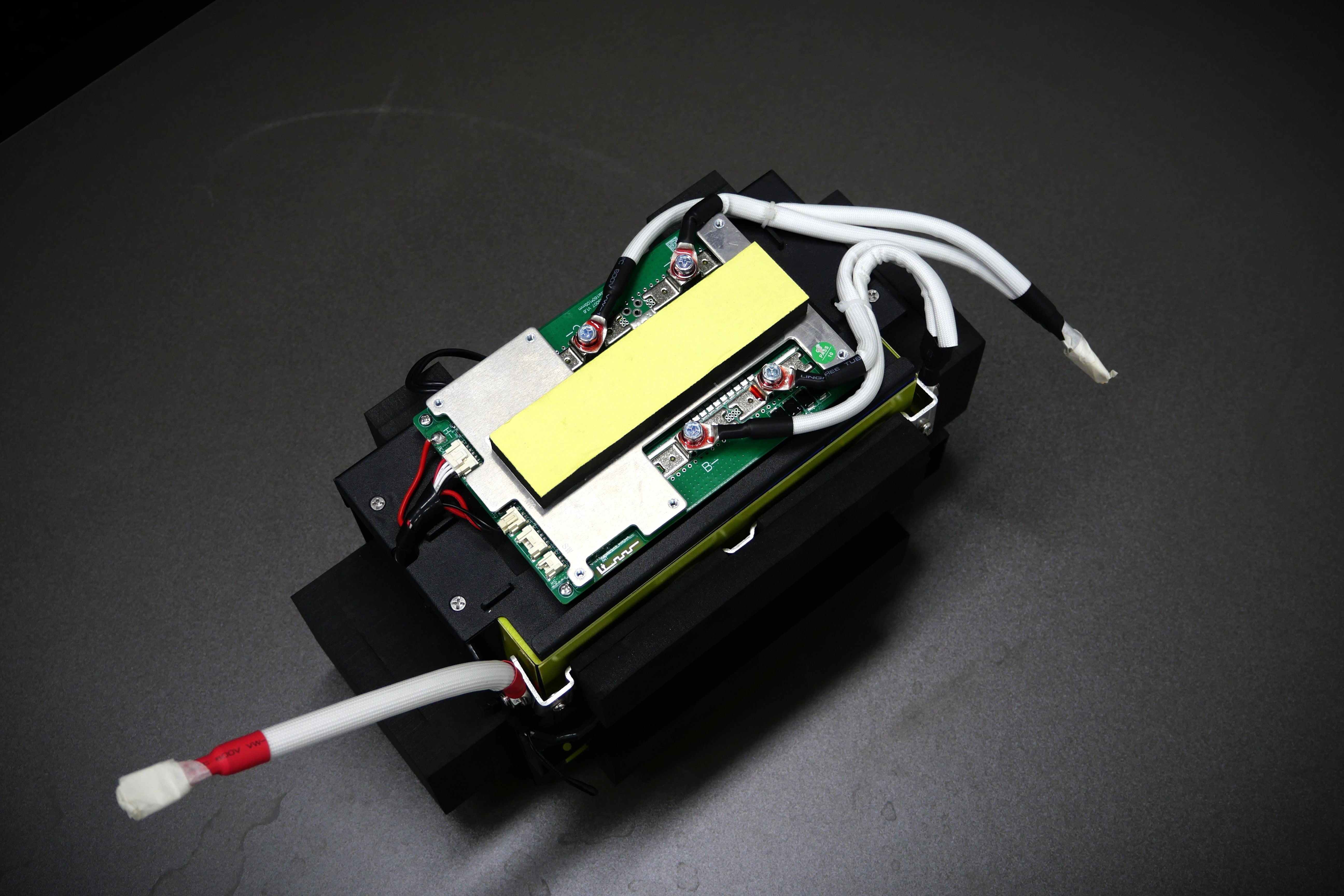
Upgrade: We replaced loose exposed wiring with defined cable routing, fiber sleeving, and secured cable glands.

Why it matters: That means less abrasion, fewer cuts, cleaner routing, and lower maintenance over time.

Dual-layer screw retention

Upgrade: We moved from single fastening to a primary fastener plus a secondary locking layer.

Why it matters: Clamping force stays more consistent and connections are less likely to loosen during transport or temperature cycling.

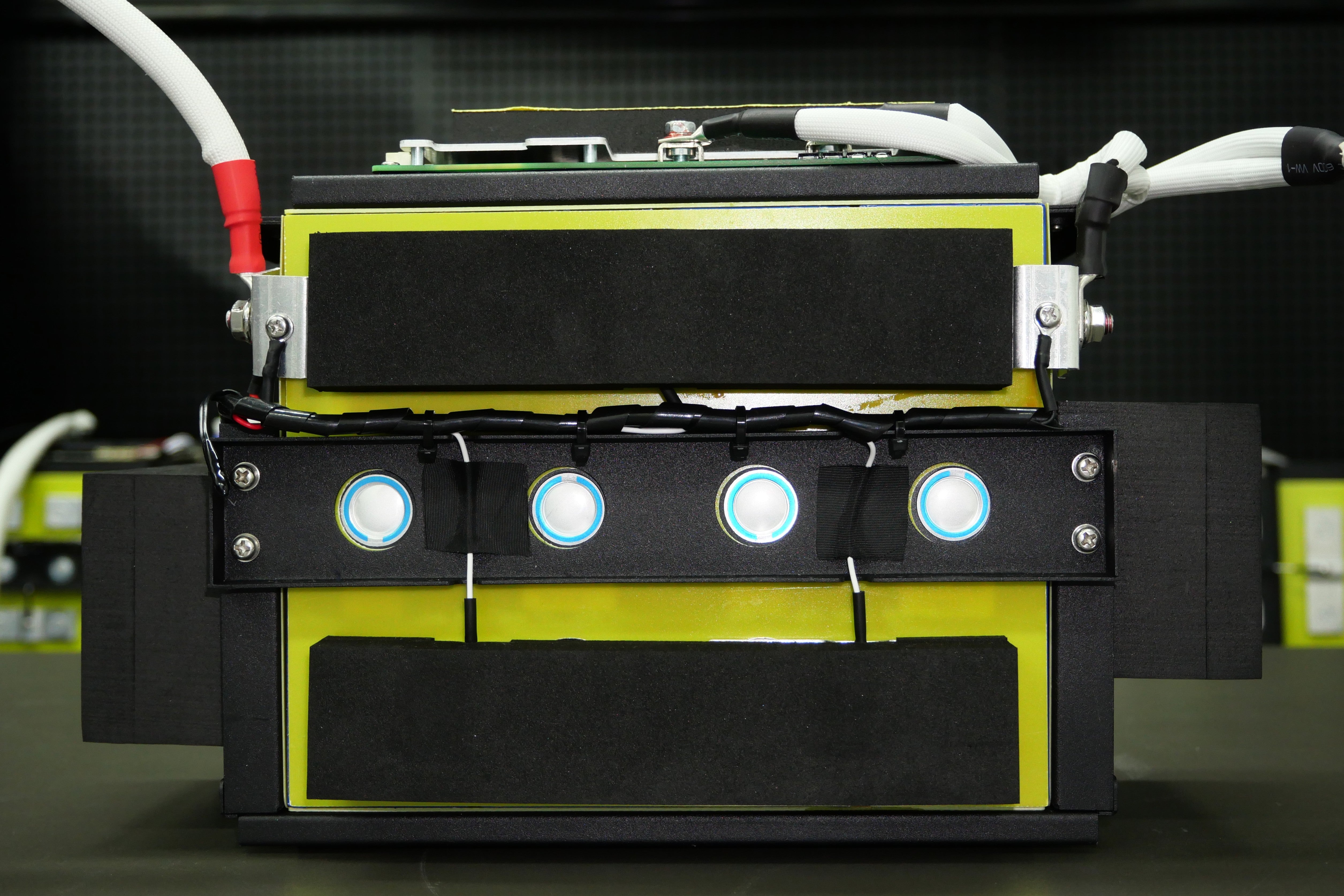
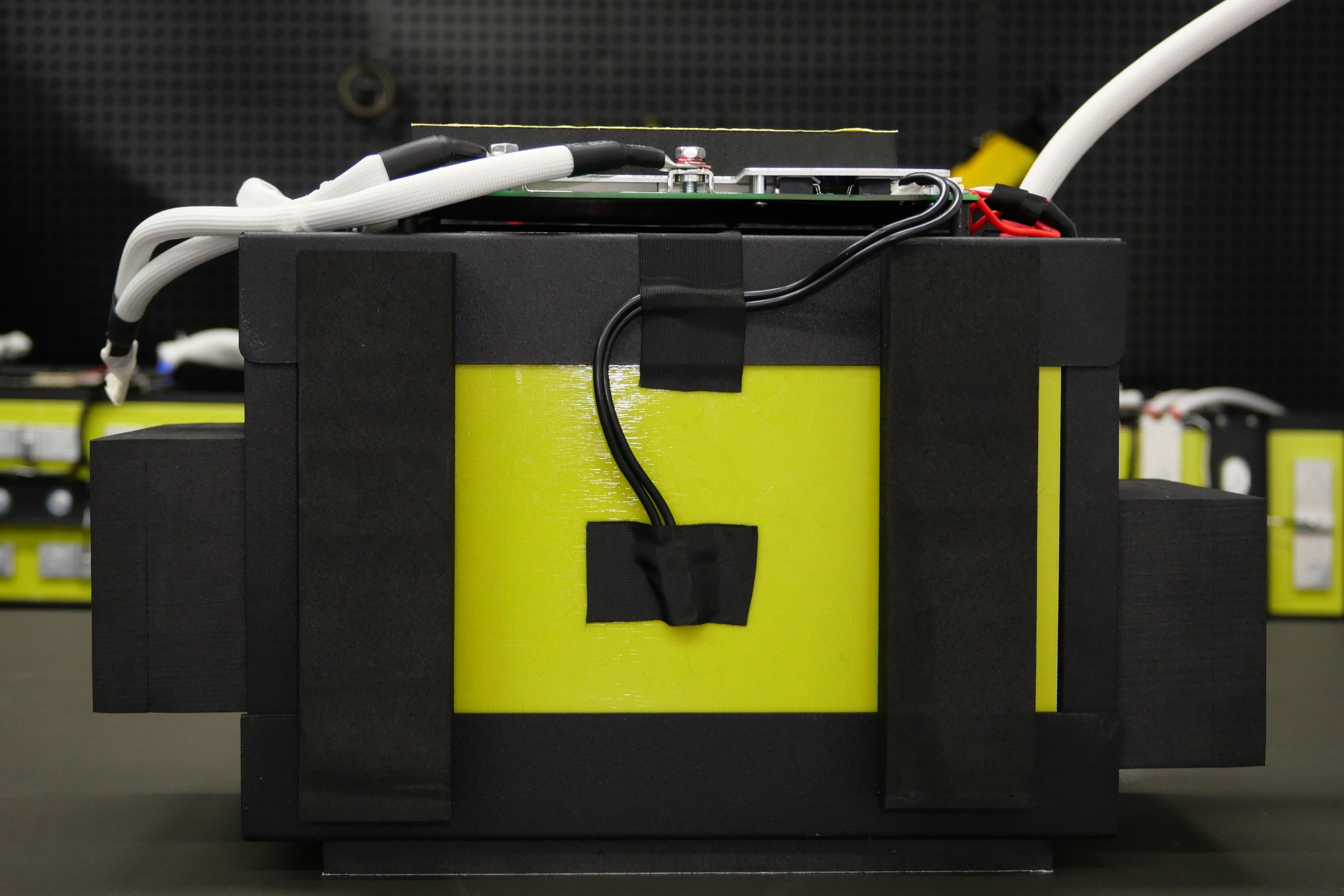
3-point temperature sensing

Upgrade: We moved from one random measuring point to three fixed sensing points at the front, side, and BMS board.

Why it matters: You get more realistic temperature readings and clearer fault tracing.

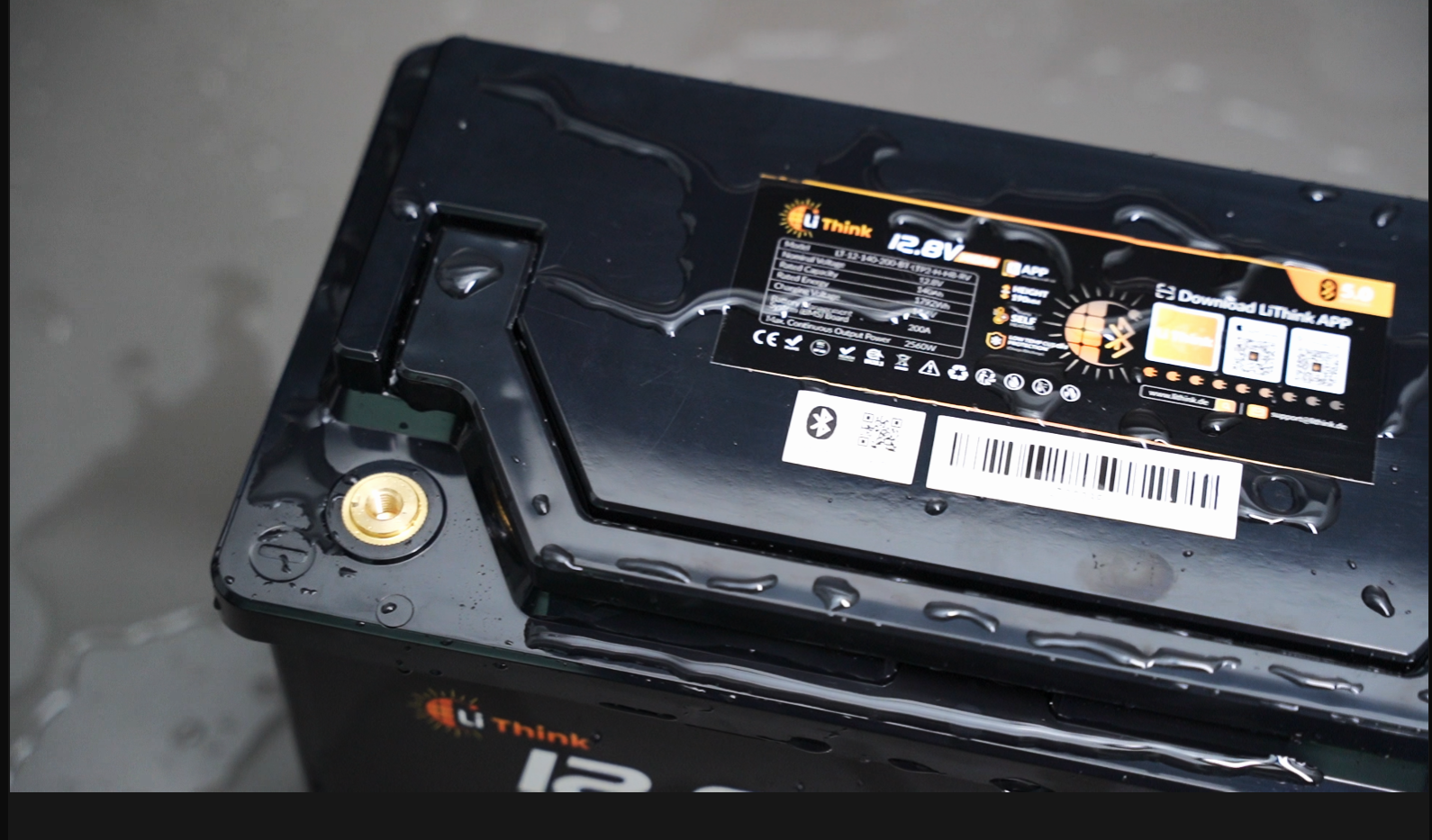
IP67 structural sealing

Upgrade: We moved from open joints to a sealed groove, elastic gasket, and better-protected cable-gland design.

Why it matters: That improves resistance to dust and splashing water, keeps the interior cleaner, and supports longer service life.

Why LiThink puts structure first

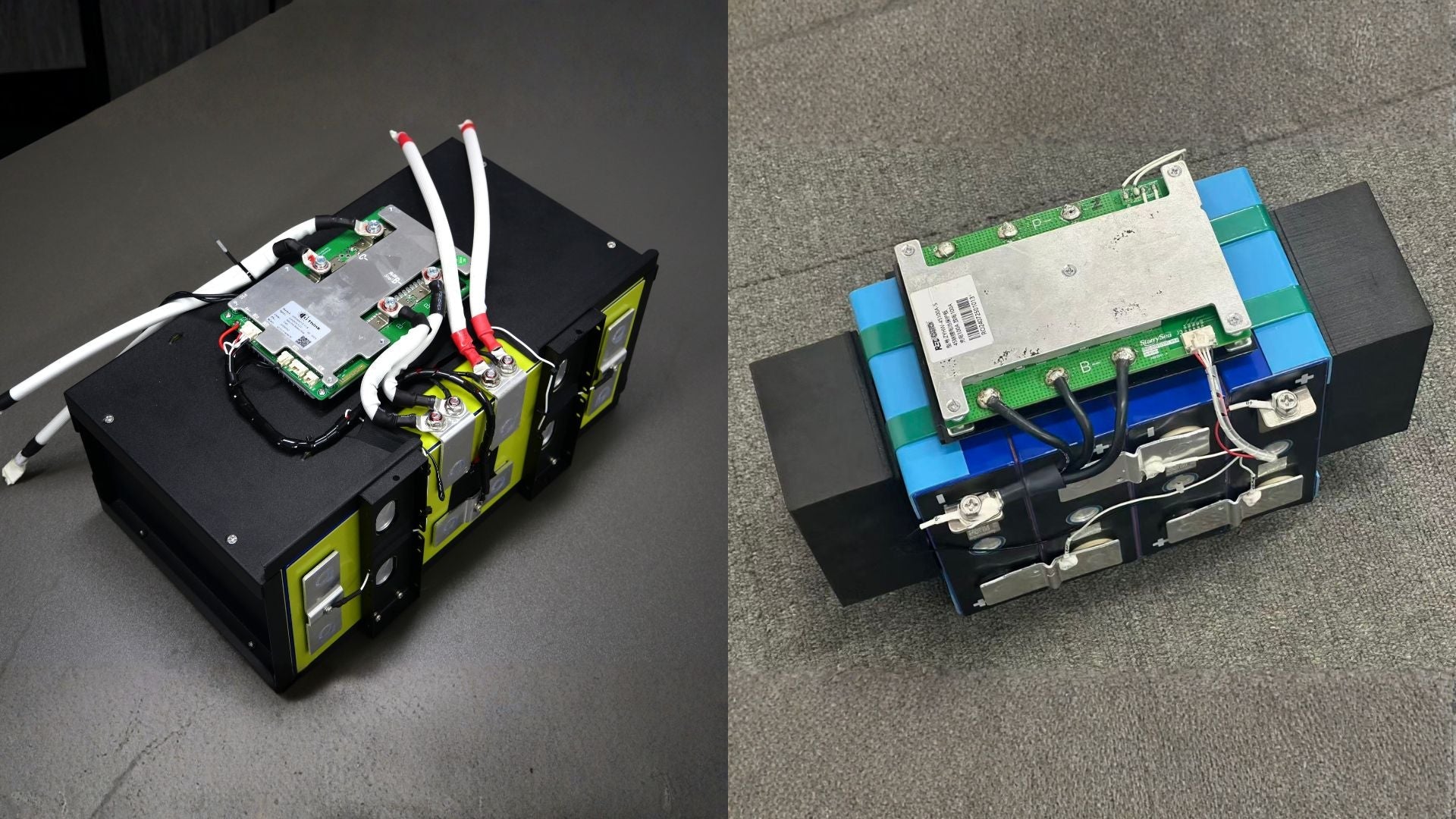
Many batteries still rely on simple tape-based retention. LiThink uses an internal alloy frame instead. That rigid structure helps keep the cell block under controlled compression and reduces the risk of swelling over time.


The result is a battery system with better shape stability and a longer, more dependable working life.

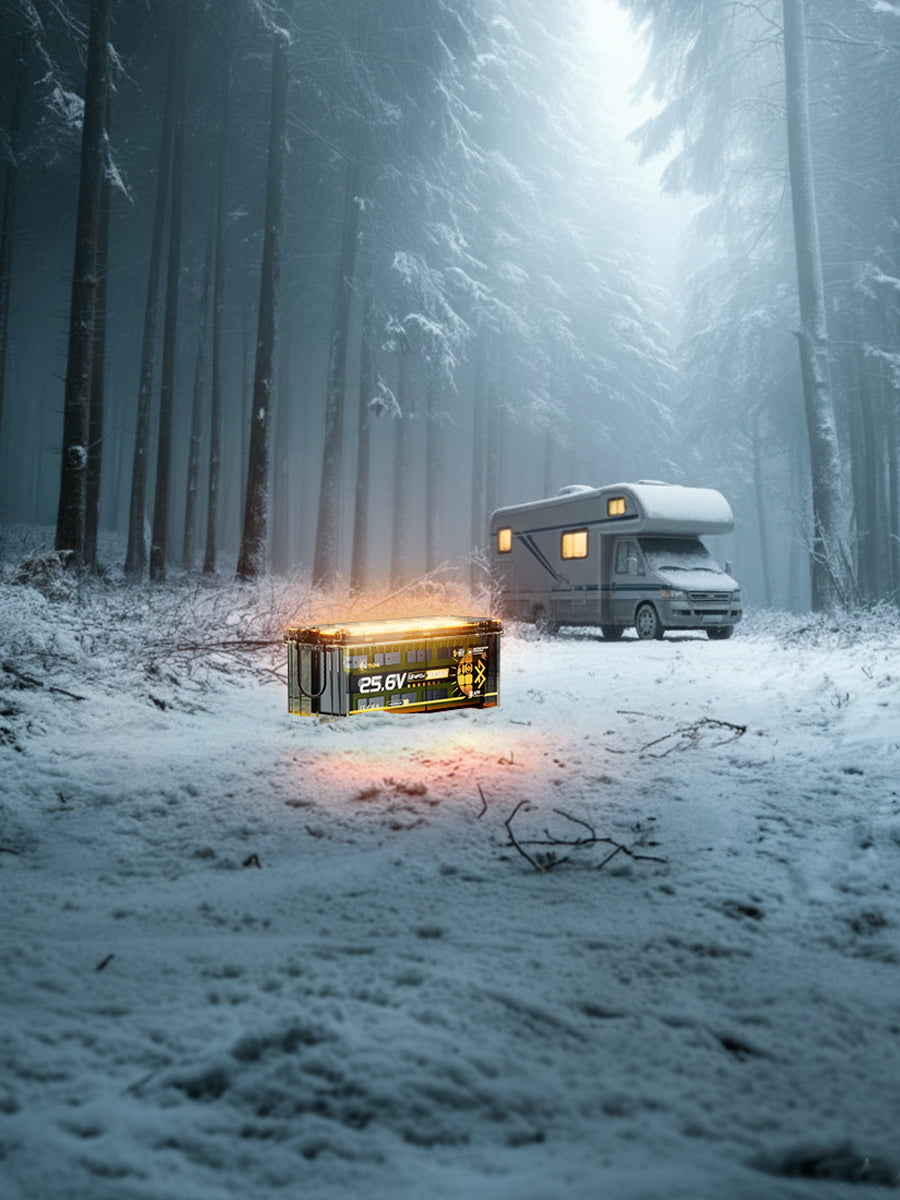
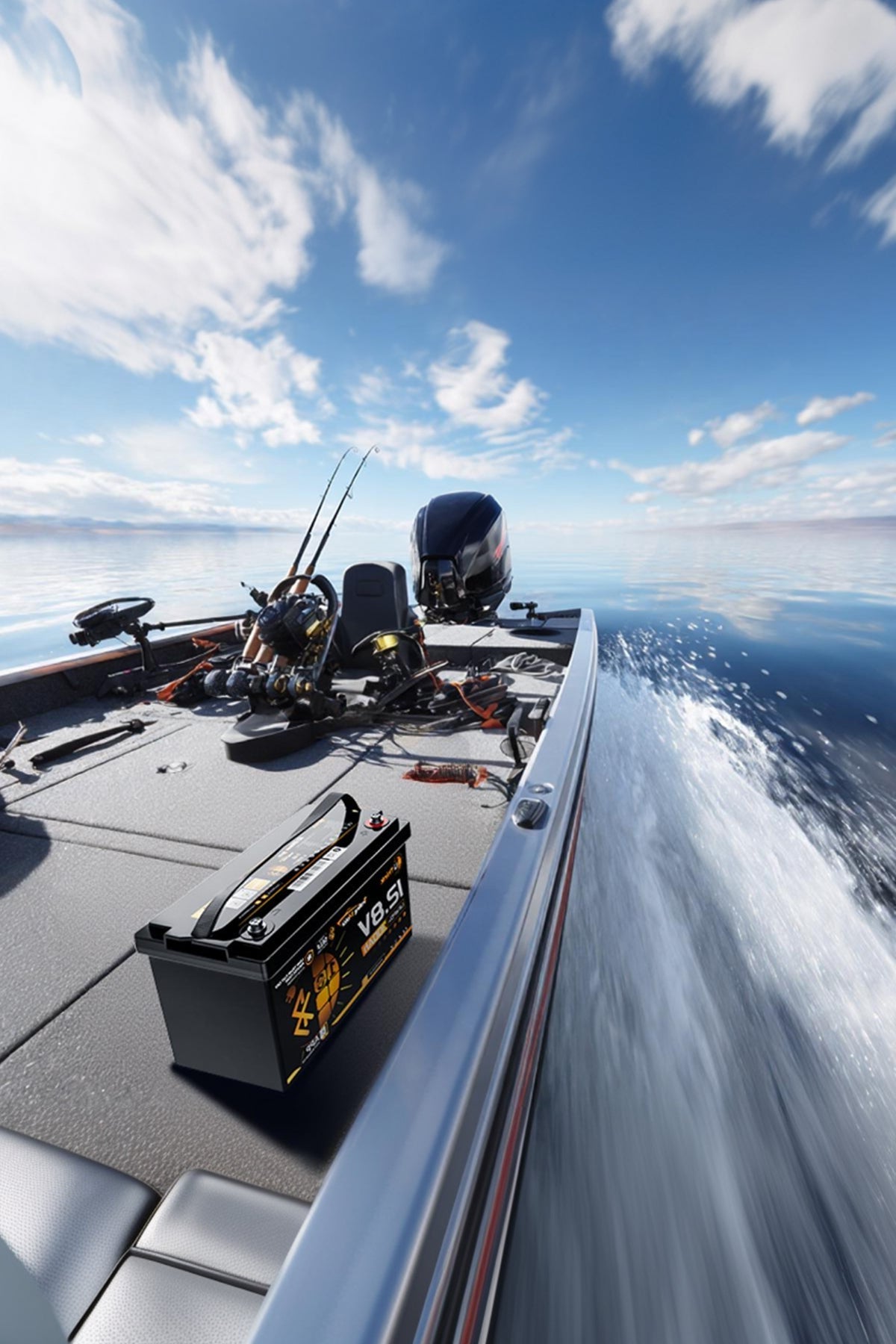
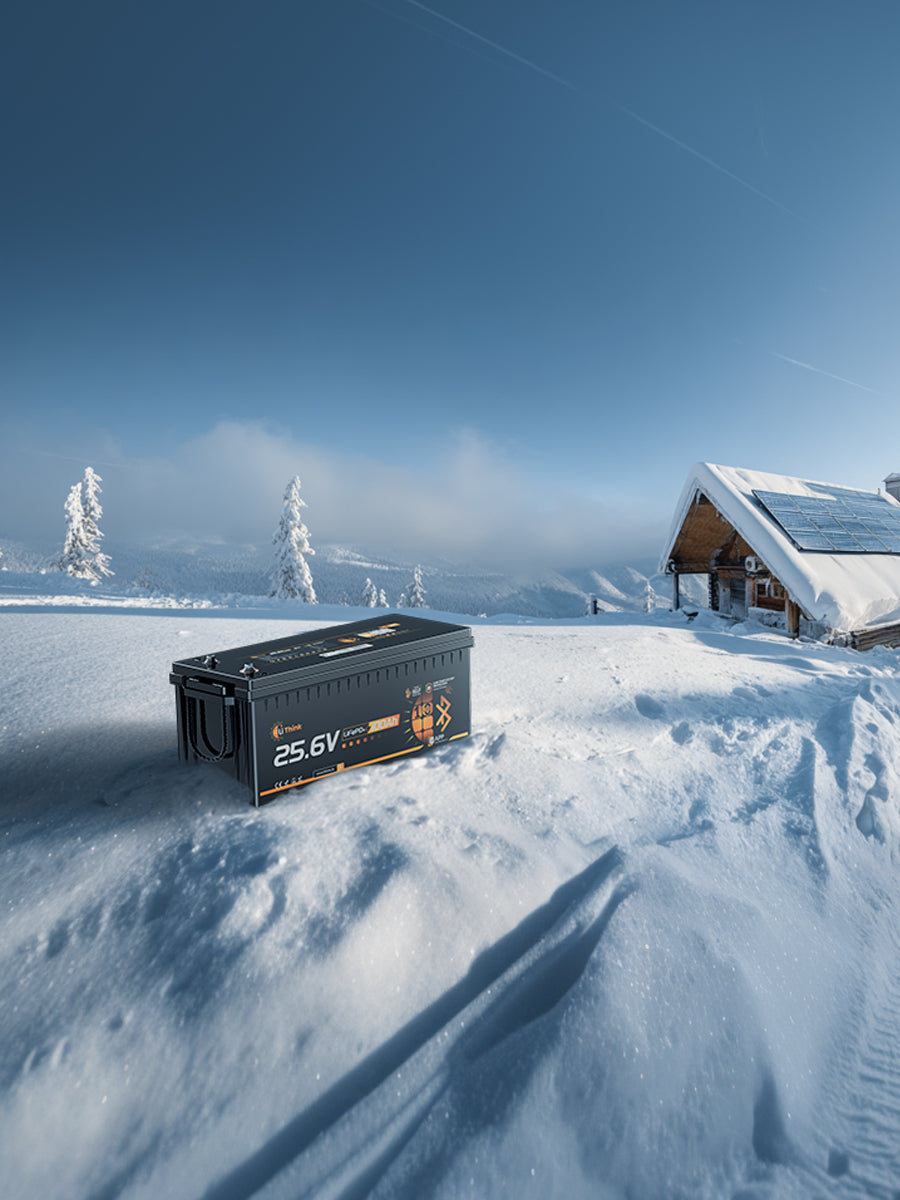
Built for vibration, spray, and temperature swings — stable, quiet, and easier to live with over time.

An internal design that proves itself in everyday use

RV use

Trolling motor

Solar / off-grid

A frame that keeps deformation in check

A high-strength aluminum-alloy support frame replaces traditional straps, creating a more stable load path and more consistent compression so the cell module can better hold its shape under vibration and impact.

Design details

  • Six-sided cushioned frame design for controlled support and damping.
  • Reliefs around openings so the cell vent path remains unobstructed.
  • Multi-side stops and reinforcing ribs to prevent loads from concentrating at a single point.
  • Broad support surfaces with the cover for better bending and torsional rigidity.
  • Fit tolerances and compression strategy designed to preserve shape over the product lifecycle.

Better edge protection, fewer hidden risks

Six-sided epoxy plates add full insulation, wear protection, and stronger edge reinforcement, helping prevent the abrasion, burrs, and micro-short risks that can build up over time under vibration.

Design details

  • Six-sided soft enclosure matched to the frame support geometry.
  • Clearances around housing openings so venting and pressure-relief paths remain open.
  • Rounded edges and deburring to reduce hard contact points and cutting edges.
  • Broad contact surfaces between frame and cells to avoid floating gaps and local stress peaks.
  • Adequate creepage and clearance distances built into the geometry baseline.

Wiring protection that holds up over time

Power cables are protected with fiber-braided sleeving and routed with defined bend radii and spacing. That helps reduce abrasion, cutting, and pinching risks as the battery faces vibration and temperature changes.

Design details

  • Full sleeve coverage with added protection at critical routing points.
  • Secured with cable-tie anchors — firm enough to hold position without over-constraining the cable.
  • Separated routing planes for the harness and frame to reduce mutual interference.

Temperature sensing that reflects what is really happening

Three sensing points monitor the front at the cell surface, the side near the busbar and thermal path, and the BMS board as an internal reference. Fixed placement and proper strain relief help produce readings that are more stable, more repeatable, and closer to the actual heat source.

Design details

  • In RV and off-grid systems, the board sensor reflects the internal enclosure condition, while the front sensor tracks cell temperature more directly.
  • For trolling motors under continuous load, the side sensor captures heat build-up near the busbar and sidewall at an early stage.
  • During transport or service, three comparison points make it easier to trace hot spots or connection issues and speed up diagnosis.

Sealing starts with the structure itself

The housing geometry, sealing groove, elastic gasket, and cable-gland design work together as one continuous sealing path, helping protect the interior from dust and splashing water.

Design details

  • Continuous sealing groove with matched compression and no raised joints.
  • Sealing washers and O-rings at fastening points.
  • Cable glands with protective components for leak resistance and strain relief.
  • Drainage geometry and drip edges to prevent water from collecting at critical joints.
  • Controlled alignment at joining points to preserve a closed sealing path.