Best LiFePO4 Batteries for Off-Grid & Home Energy Storage
How to Choose the Right Battery

for Off-Grid & Home Energy Storage
8 reasons why Lithink is built for reliable solar, backup, and home energy storage.
Charge Cycles at 70% Depth of Discharge
Designed for Years of Off-Grid & RV Living
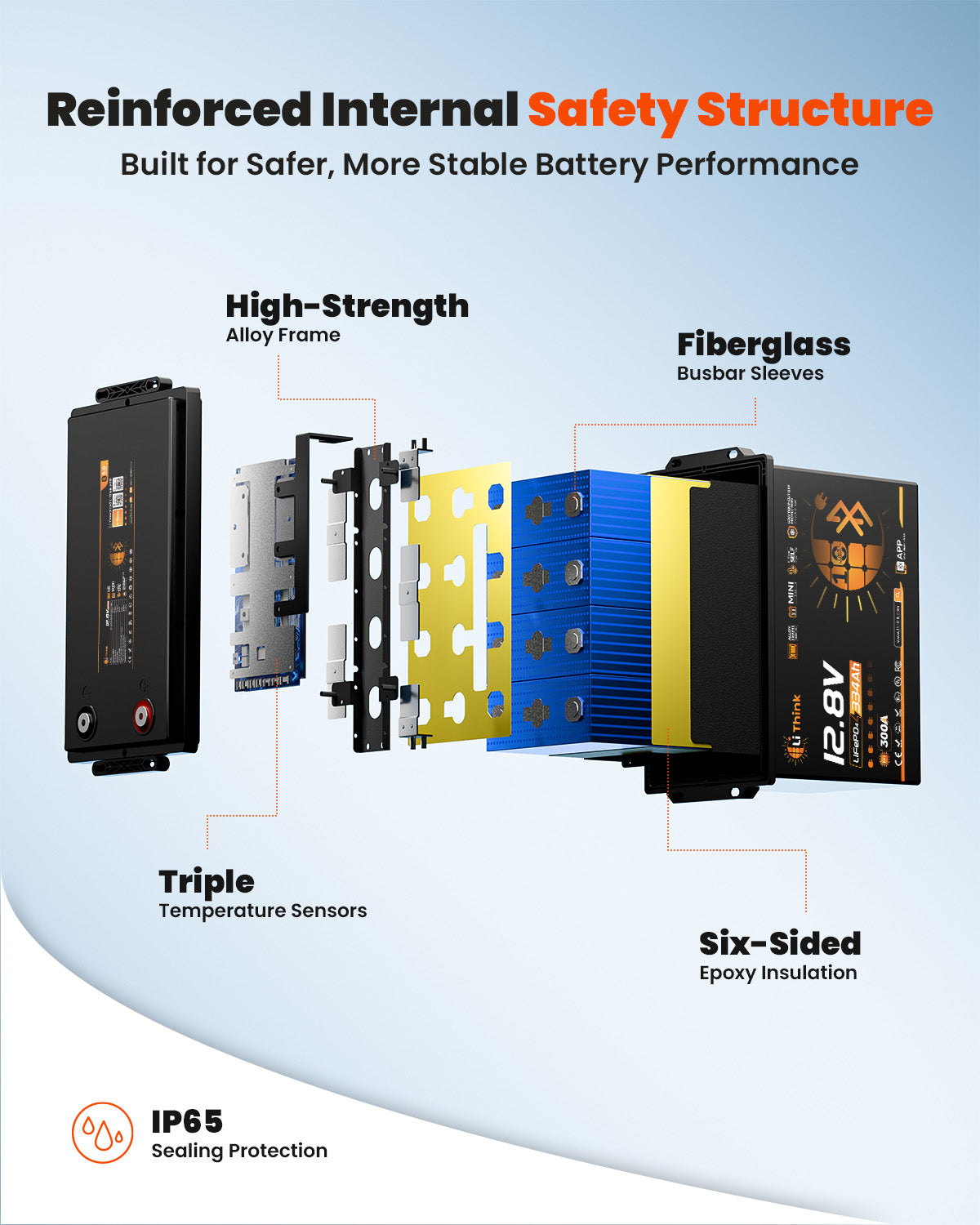
Temperature Sensors Per Battery
Monitored Safety Parameters in BMS
LiFePO4 Batteries for Off-Grid & Home Energy Storage
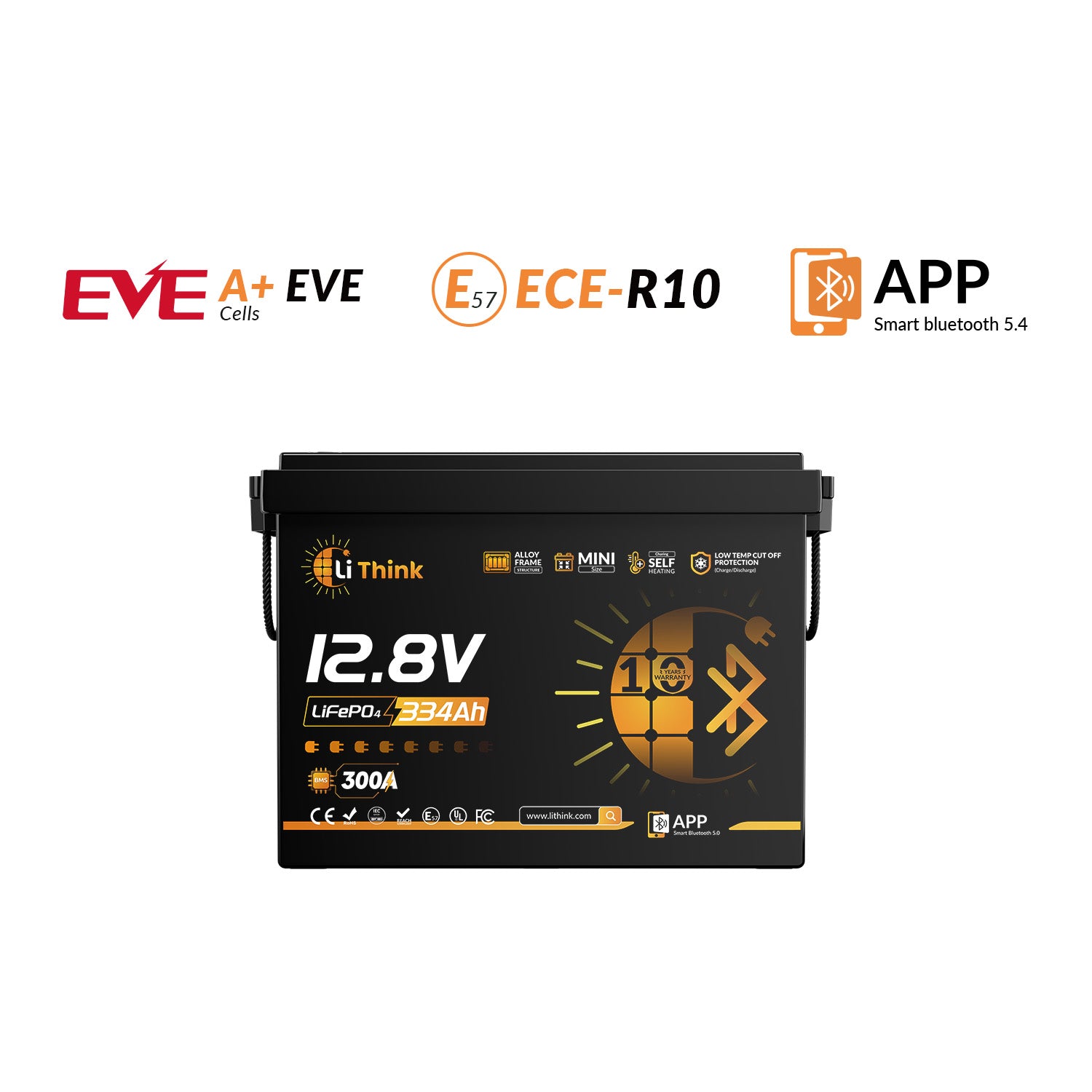
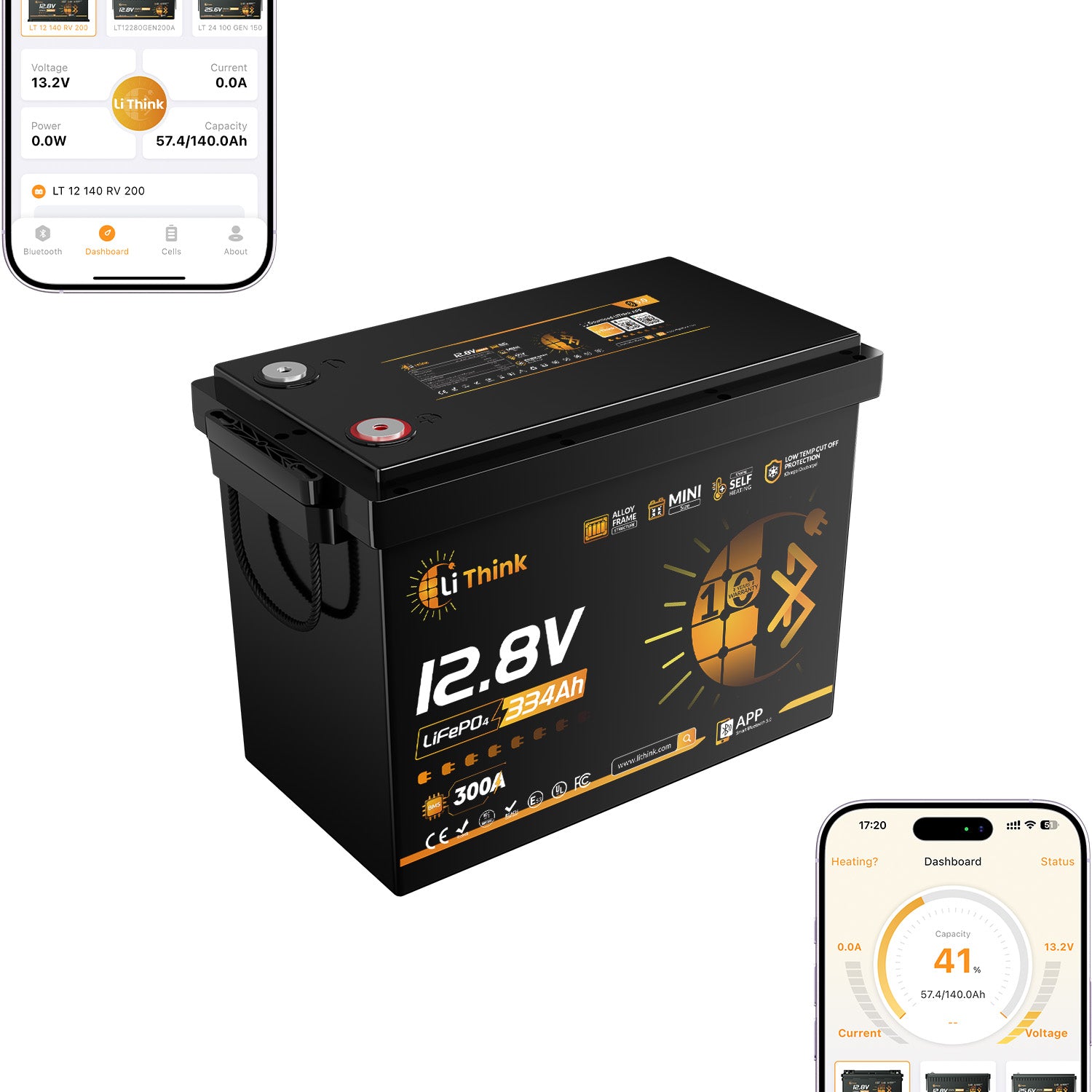
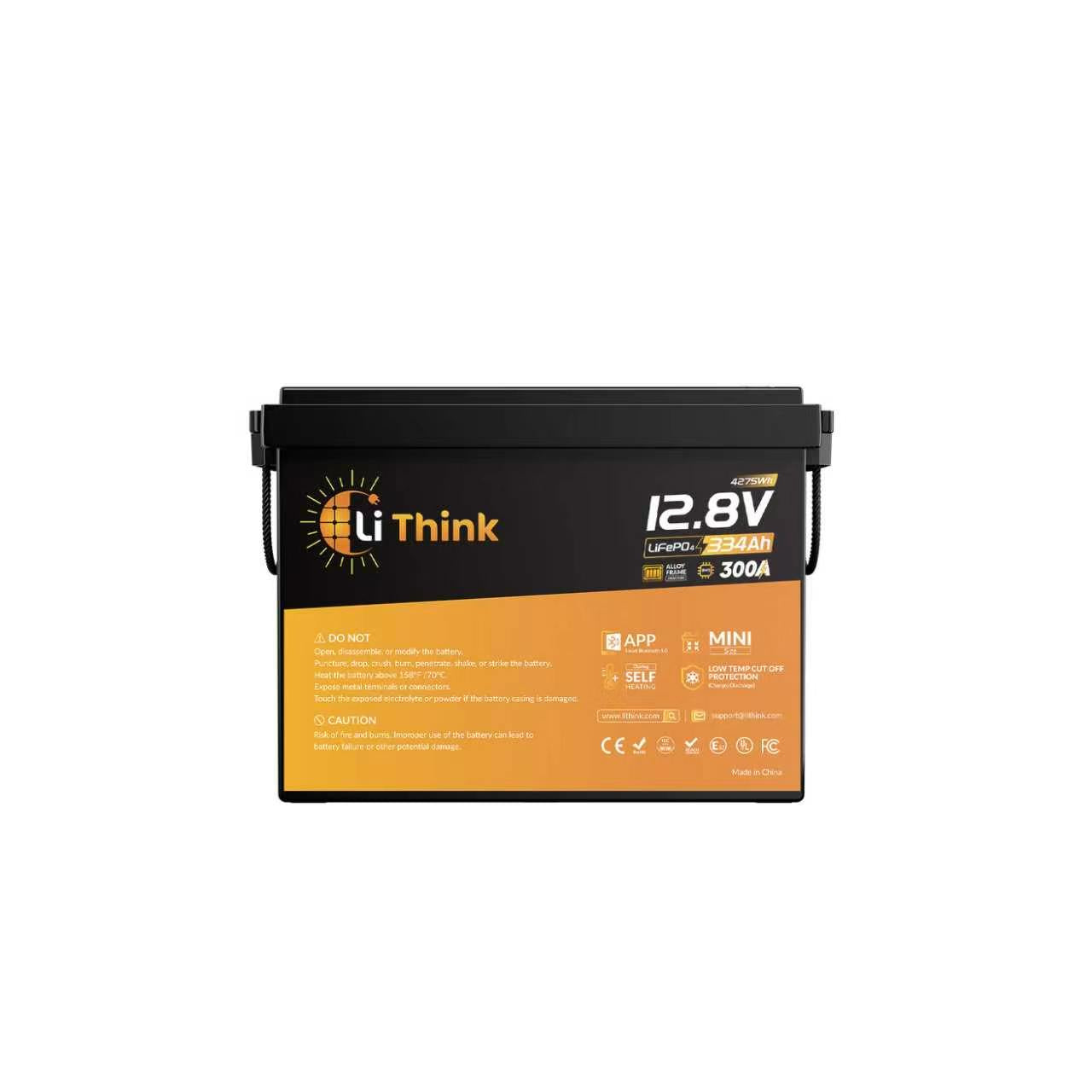
Gain greater independence from the grid with Lithink LiFePO4 batteries for homes, vacation properties, and off-grid cabins. Our storage systems efficiently capture solar power, deliver stable, quiet energy for essential devices, and serve as reliable backup power in case of outages. With high cycle durability, integrated safety BMS, and optional self-heating, they're ideal for 12V, 24V, and 48V systems — from solar self-consumption setups to fully off-grid installations.


Sorry, there are no products in this collection.
| Use Case / Scenario | Typical Appliances | Typical Average Power Draw | Recommended Lithink Battery |
|---|---|---|---|
| Basic Home Backup (Router & Lights) | Wi-Fi router, LED lights in a few rooms, phone/tablet charging, small 12V devices | Approx. 100–300 W | 1× 12V 100Ah or 1× 24V 100Ah |
| Emergency Backup for Essential Appliances | Fridge or cooler, lights, router, optional heating/circulation pump, basic IT/TV | Approx. 300–600 W | 1× 12V 280Ah or 1–2× 24V 100Ah |
| Home Solar Storage for Small Home / Vacation Cabin | Fridge, lights, router, multiple laptops, TV, water pump, typical evening load via inverter | Approx. 400–800 W | 2× 12V 280Ah (parallel) or 2× 24V 100Ah (parallel) |
| Partially Off-Grid Solar Storage for Single-Family Home | Fridge/freezer combo, lights, router, heating/circulation pump, home office, frequent use of 110V/120V AC appliances (electric kettle, microwave, etc.) | Approx. 800–1,500 W | 3–4× 12V 280Ah (parallel) or 3–4× 24V 100Ah (parallel) |
| Off-Grid Scenario | Typical Consumption | Recommended Solar Array (Guideline) | Recommended Lithink Battery Capacity |
|---|---|---|---|
| Small Off-Grid Cabin / Shed | Mostly LED lights, phone/tablet charging, optional small Wi-Fi router, small 12V devices • Avg. Power: Approx. 20–60 W • Daily Consumption: Approx. 0.5–1.5 kWh |
Approx. 200–400 W array (e.g., 1–2x 200W panels) |
1× 12V 100Ah or 1× 12V 140Ah |
| Weekend Cabin / Tiny House (Light Use) | Small cooler or compact fridge, lights, router, laptop, water pump, occasional 110V/120V AC load via inverter • Avg. Power: Approx. 60–120 W • Daily Consumption: Approx. 1.5–3 kWh |
Approx. 400–800 W array (e.g., 2–4x 200W panels) |
1× 12V 280Ah or 1× 24V 100Ah (depending on desired reserve) |
| Off-Grid Vacation Home (Regular Use) | Fridge, lights in multiple rooms, router, multiple laptops/TVs, water pump, typical evening load via inverter • Avg. Power: Approx. 125–250 W • Daily Consumption: Approx. 3–6 kWh |
Approx. 800–1,600 W array (e.g., 4–8x 200W panels) |
2× 12V 280Ah (parallel) or 2× 24V 100Ah (parallel) |
| Year-Round Off-Grid Cabin / Nearly Self-Sufficient Home | Fridge/freezer combo, lights, router, heating/circulation pump, home office, frequent 110V/120V AC appliances (electric kettle, microwave, power tools) • Avg. Power: Approx. 250–400 W • Daily Consumption: Approx. 6–10 kWh (depending on comfort level) |
Approx. 1,500–3,000 W array (e.g., 6–12x 250W panels) |
3–4× 12V 280Ah (parallel) or 3–4× 24V 100Ah (parallel) |
Run Your PV & Home Energy System with Confidence Using Lithink
Lithink LiFePO4 batteries are the stable foundation for your off-grid and home energy system — from MPPT solar charge controllers to hybrid and island inverters, plus home backup power solutions. Compatible with leading system technology from manufacturers like Victron Energy, SMA, Fronius, GoodWe, Growatt, Solis, SolarEdge, Schneider Electric, Studer, and many more.
Still Have Questions About Off-Grid & Home Energy Storage?
Read our frequently asked questions — and if you're still unsure, just reach out to us directly.
1. How do I find the right Lithink battery for my off-grid or home energy storage system?
First, identify your scenario: garden shed, weekend cabin, vacation home, or partially off-grid family home. Then compare your daily energy needs with our sizing tables on this page (kWh per day / typical devices). You'll see exactly which Lithink configuration (e.g., 1× 24V 100Ah or 2× 12V 280Ah in parallel) we recommend for your situation.
2. How much storage capacity (kWh) do I need per day?
List your main devices, their power rating (watts), and daily operating hours. Calculate: Watts × Hours = Wh, and add them up for your daily consumption in Wh or kWh. Example: 150W refrigerator × 10 hours ≈ 1.5 kWh. Compare your total with our ranges (e.g., 2–4 kWh / 4–8 kWh) to choose the right battery size.
3. 12V, 24V, or 48V — which system voltage makes sense for my project?
For small backup solutions and garden sheds, 12V is usually sufficient. For larger off-grid systems with an inverter (home, cabin, home office), 24V is more efficient because currents are lower. For nearly self-sufficient family homes, many inverters work with 48V systems — our 12V or 24V batteries can be integrated into these via appropriate technology (e.g., inverter / DC converter).
4. How do I correctly combine multiple batteries — in parallel or series?
To increase capacity at the same voltage, use parallel connection (e.g., 2× 12V 280Ah in parallel). Series connection to increase voltage is only allowed if explicitly approved in the datasheet — don't attempt it otherwise. Always combine only identical Lithink models and coordinate your system design and protection with a qualified electrician.
5. What should I consider regarding solar panels, inverters, and temperatures?
Your solar panel output should match your daily energy consumption — refer to the solar sizing guidelines in our tables for reference. Inverters, MPPT controllers, and chargers must be suitable for LiFePO4 and match the battery's voltage and current specifications. In cold weather: only charge below 0°C with appropriate Lithink models (e.g., with self-heating); the BMS additionally protects the battery from harmful temperatures. If you're unsure, send us your equipment specifications and we'll verify the combination for you.