LiFePO4 Batteries for Electric Outboard Motor Propulsion

How to Choose the Right Battery

for Your Electric Outboard

An electric outboard uses the battery as its main power source, so the right setup depends on more than just amp-hours. Motor voltage, power demand, BMS discharge rating, battery energy, boat weight, speed, and water conditions all affect performance and runtime.

Bluetooth App Monitoring

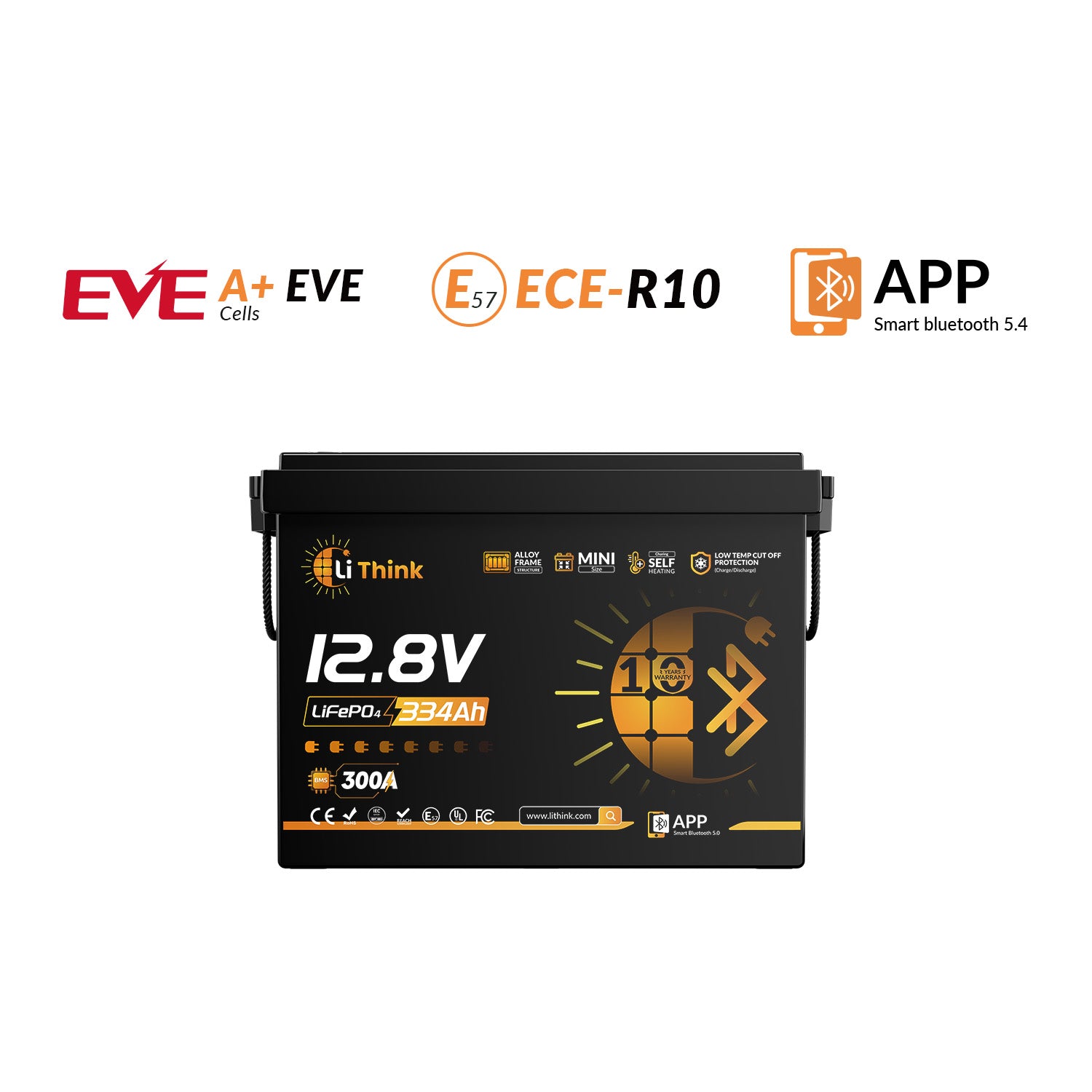
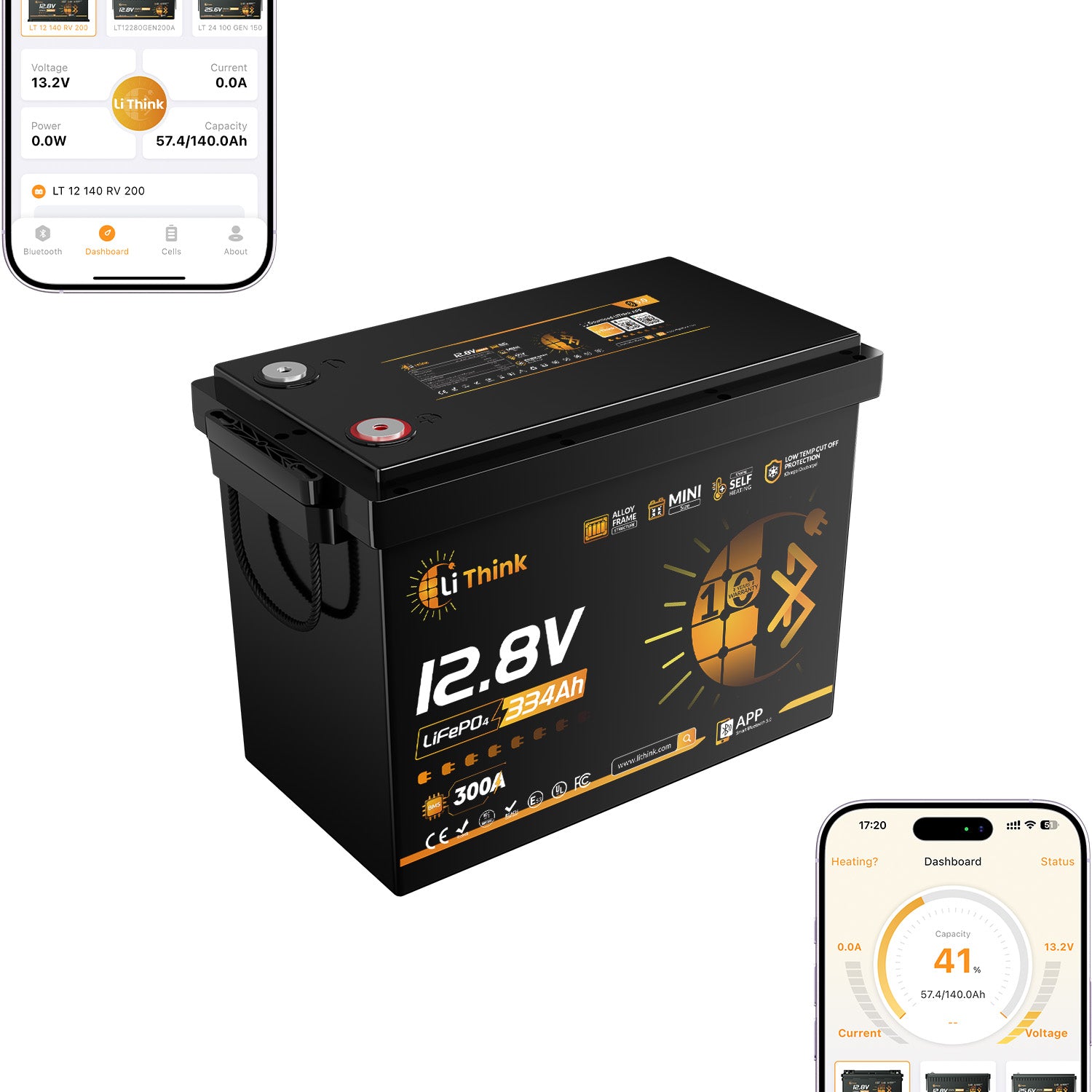
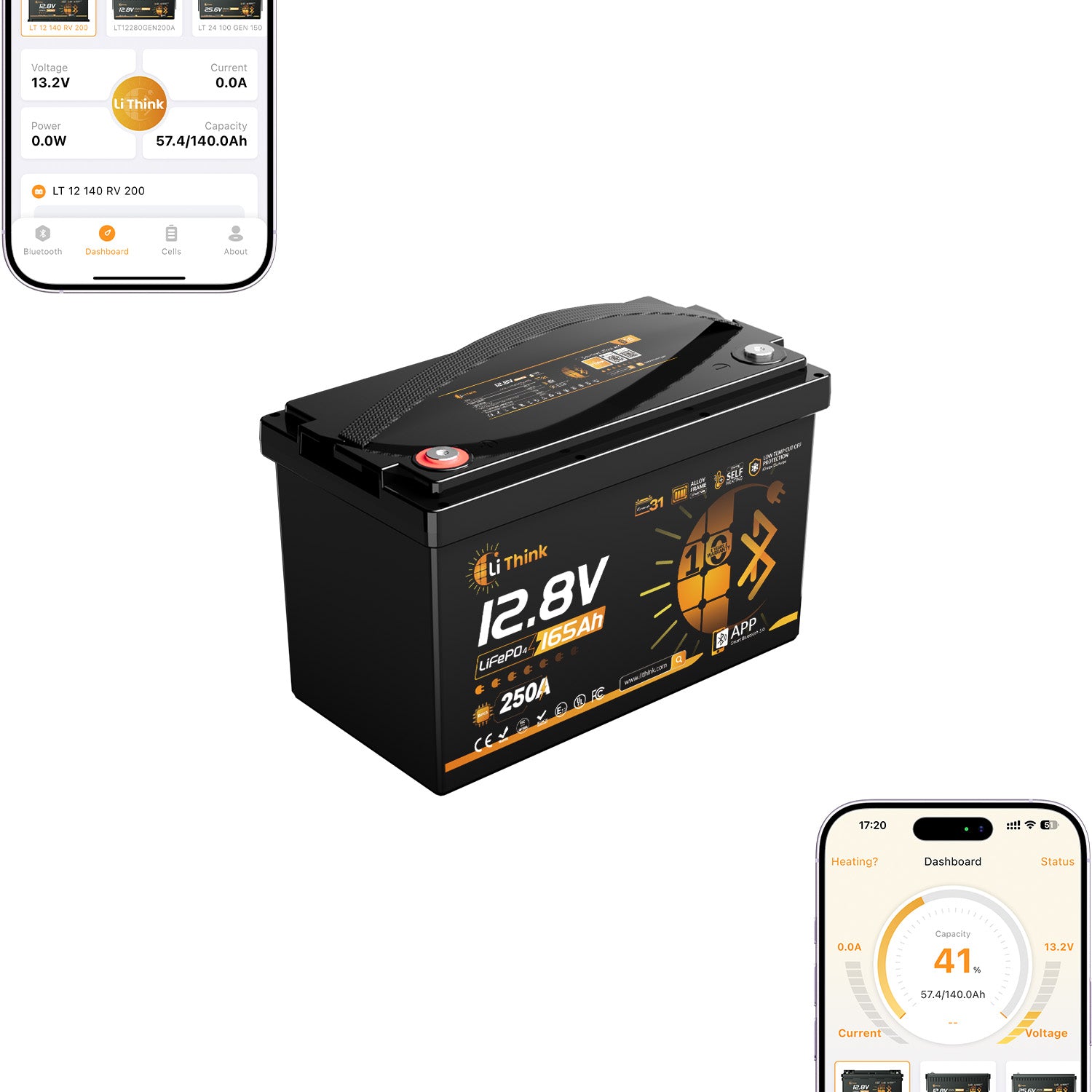
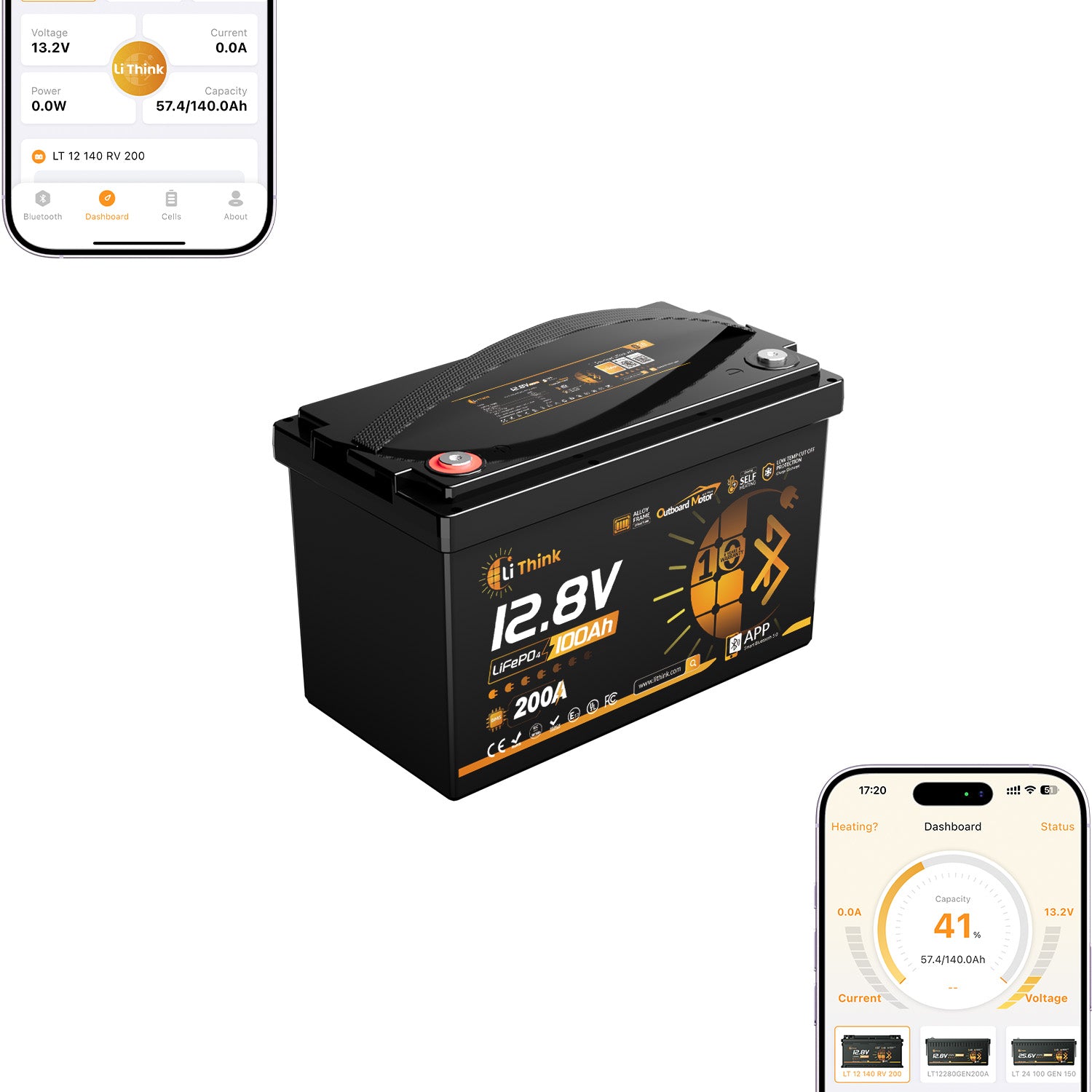
Monitor your battery's state of charge, voltage, current draw, and temperature in real-time from your phone. Know exactly how much power you have left before launch, and track performance during your outing.

Smart BMS with 30+ Protection Parameters

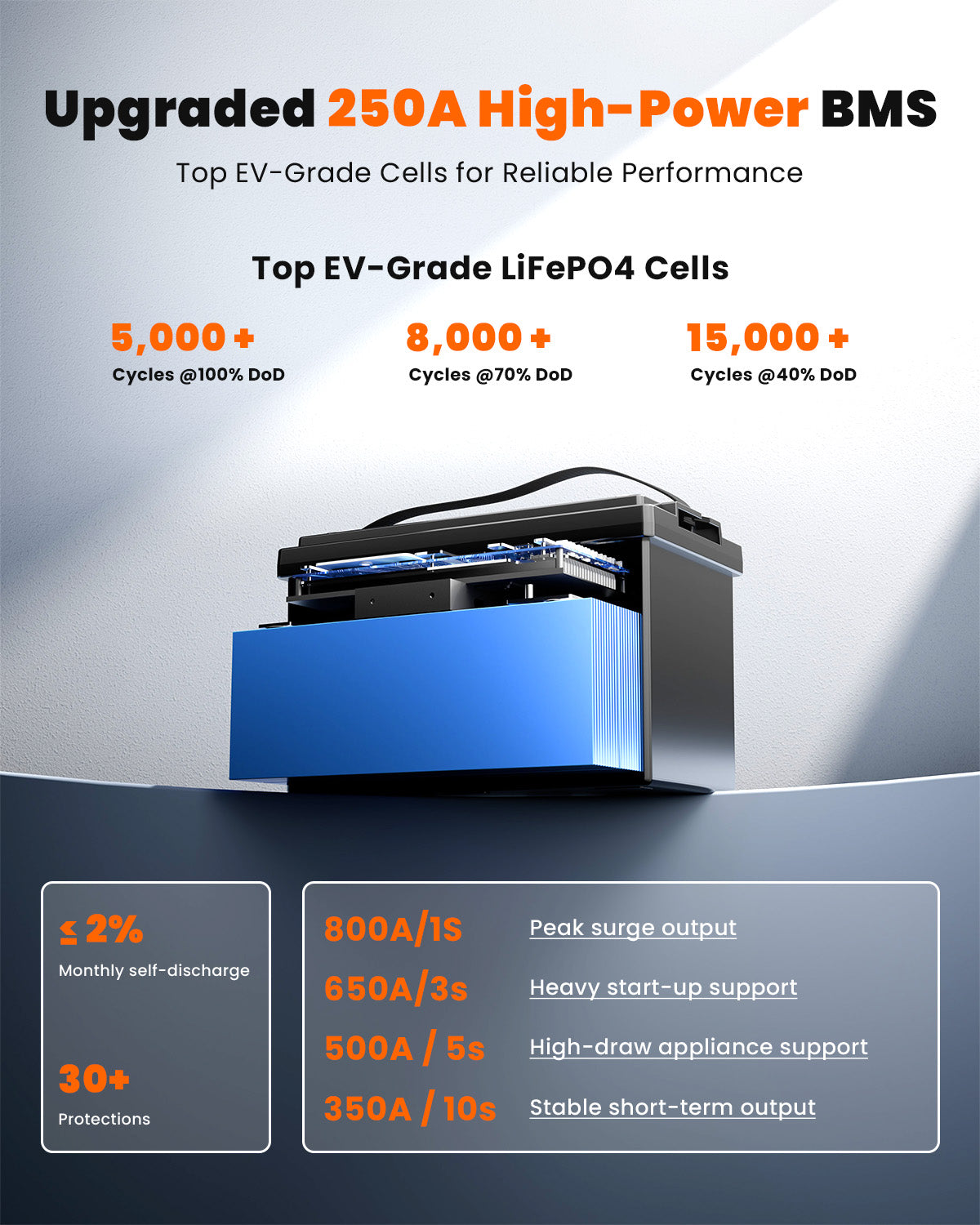
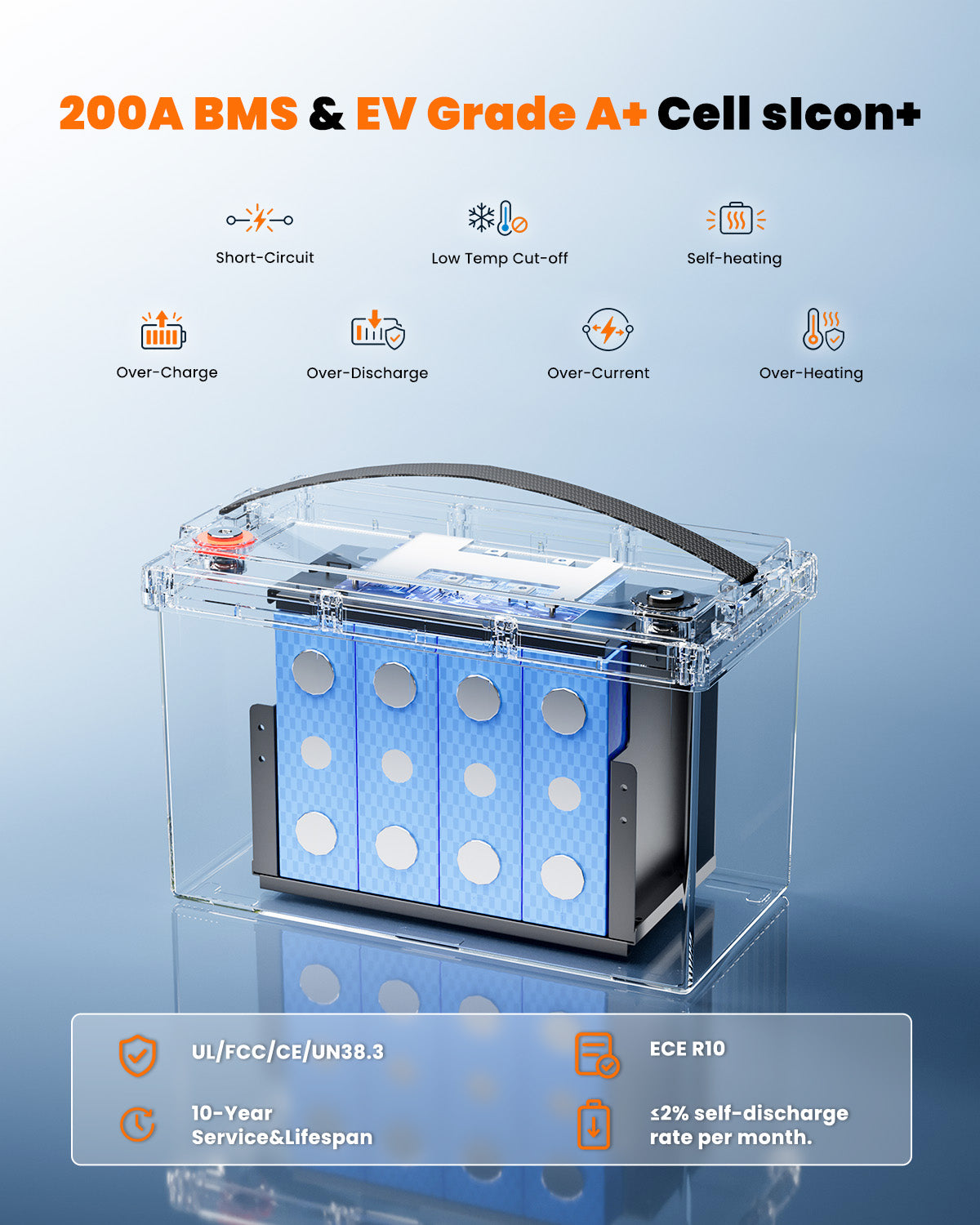
The built-in BMS continuously monitors voltage, current, temperature, and cell balance. It protects against overcharge, over-discharge, overcurrent, short circuit, and thermal runaway—critical safeguards for marine propulsion systems.

Built for Water, Dust & Outdoor Use

Built to withstand salt spray, moisture, vibration, and temperature swings. Designed for the harsh marine environment where your electric outboard motor operates.

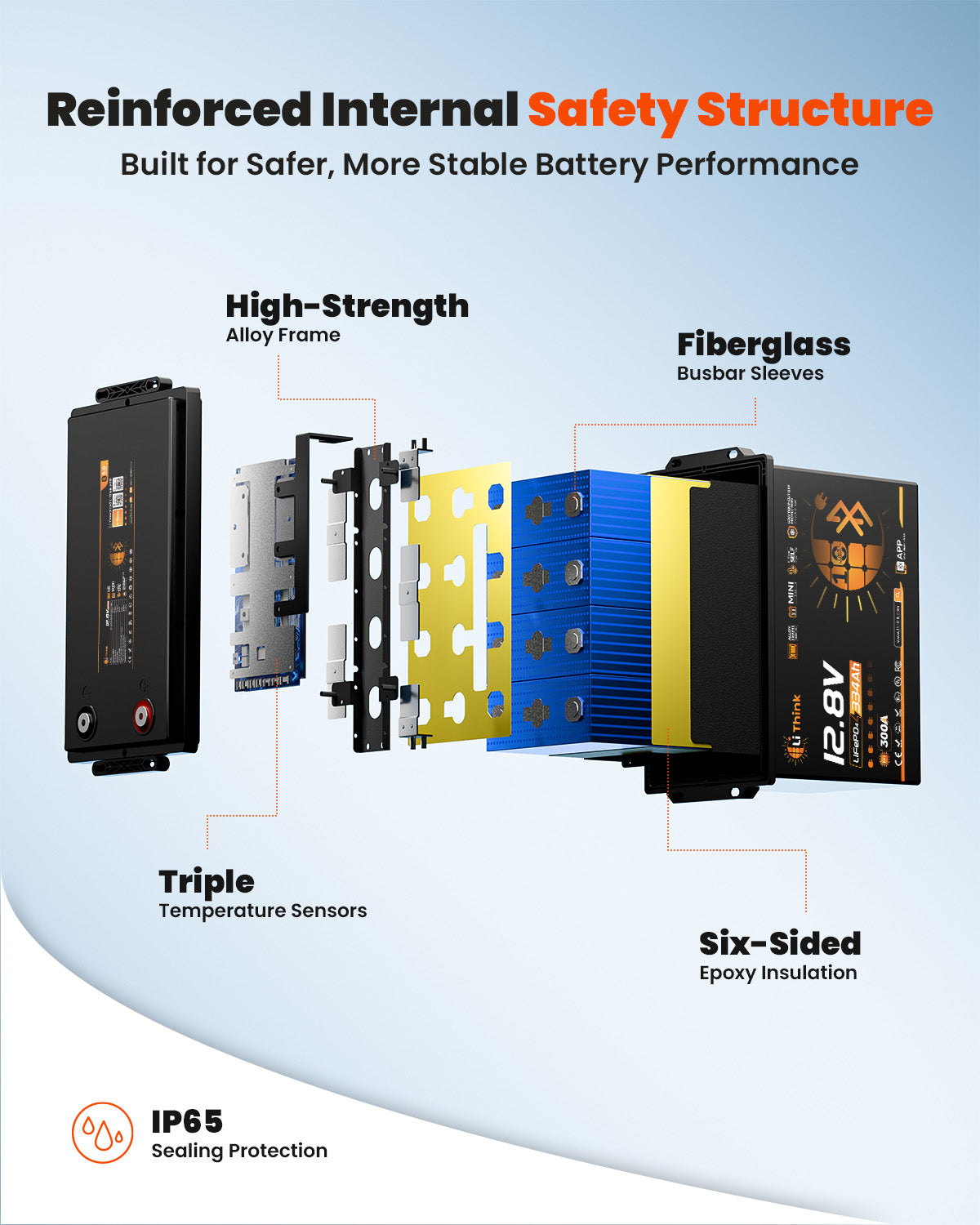
Reinforced Internal Structure

Reinforced internal structure and secure assembly help the battery survive transport, boat vibration, and the demands of repeated propulsion cycles.

High Surge Output Support

Delivers the continuous discharge current your electric outboard motor needs for sustained propulsion. High surge output supports acceleration and full-throttle operation without voltage sag.

Grade-A LiFePO4 Cells

Grade-A LiFePO4 cells provide stable voltage, long cycle life, and reliable deep-cycle performance for thousands of charge-discharge cycles.

Certified Safety & Quality

Engineered with safety and compliance in mind for marine, RV, and off-grid power systems. Built to perform reliably in demanding environments.

Tested for Real Marine Use

Every battery is tested to support real-world boating conditions—long fishing days, changing weather, repeated charge cycles, and the demands of electric propulsion.

15000+

Charge & Discharge Cycles

10+

Years Designed Service Life

100%

DoD Deep-cycle usable energy

30+

BMS Protection Parameters

LiFePO4 Batteries for Electric Outboard Motors

Choose the right LiThink battery based on your electric outboard’s voltage, power demand, expected runtime, and onboard space. For best results, always match the battery setup with your motor manufacturer’s voltage and current requirements.

Sorry, there are no products in this collection.

Continue shopping
OBM Power / Thrust Class Typical Boat & Load Average Power Draw Recommended LiThink Battery Estimated Runtime*
300–500W / Light OBM Class Small dinghy, tender, kayak, or inflatable boat with light load Approx. 300W 12V 100Ah OBM Approx. 3–4 hours
300–500W / Light OBM Class Small fishing boat or inflatable boat with longer cruising needs Approx. 300W 12V 165Ah Approx. 6–7 hours
500–800W / Mid OBM Class Dinghy, small fishing boat, or inflatable boat with 1–2 people onboard Approx. 500W 12V 165Ah Approx. 3–4 hours
500–800W / Mid OBM Class Fishing boat, aluminum boat, or inflatable boat for longer trips Approx. 500W 12V 314Ah Approx. 7–8 hours
800W–1.2kW / High-Load OBM Class Heavier small boat, loaded fishing boat, or stronger electric propulsion setup Approx. 800W 12V 314Ah Approx. 4–5 hours
1.2–1.5kW / High-Demand OBM Class Heavier boat, stronger current, higher speed use, or frequent acceleration Approx. 1,000–1,200W 12V 314Ah Approx. 3–4 hours
*Estimated runtime is based on typical average power draw, not full-throttle operation. Actual runtime may vary depending on throttle level, boat weight, wind, waves, current, propeller efficiency, and total load. Always check your motor’s voltage and maximum current requirements before choosing a battery.
Boat Type Approx. Loaded Weight Typical OBM Class Recommended LiThink Battery Best Use Case
Kayak, tender, or very small inflatable boat Up to approx. 250 kg / 550 lb 300–500W light electric outboard 12V 100Ah OBM Short trips, calm water, low-speed cruising, and compact installation.
Small dinghy or lightweight fishing boat Approx. 250–400 kg / 550–880 lb 300–600W electric outboard 12V 165Ah Better runtime for fishing, cruising, and repeated start-stop use on the water.
Inflatable boat with 1–2 people onboard Approx. 350–550 kg / 770–1,210 lb 500–800W electric outboard 12V 165Ah or 12V 314Ah Choose 12V 165Ah for lighter trips, or 12V 314Ah when longer runtime is needed.
Small aluminum boat or loaded fishing boat Approx. 500–750 kg / 1,100–1,650 lb 800W–1.2kW electric outboard 12V 314Ah Recommended for heavier loads, longer operating time, and more demanding propulsion needs.
Heavier recreational boat or high-load setup Approx. 750 kg+ / 1,650 lb+ 1.2kW+ electric outboard 12V 314Ah or matched multi-battery system Check motor current, BMS rating, cable size, fuse protection, and installation space carefully.
*Boat weight ranges are for general selection reference only. Heavier loads, higher speed, wind, waves, and current can significantly reduce runtime. For 24V, 36V, or 48V electric outboards, use properly matched batteries in series only when supported by the battery manual.
LiThink Battery Approx. Energy Best Matching OBM Class Runtime at 300W* Runtime at 600W* Runtime at 1,000W* Recommended For
12V 100Ah OBM Approx. 1.28 kWh 300–500W light OBM class Approx. 3–4 hours Approx. 1.5–2 hours Short use only; check motor current Compact boats, tenders, kayaks, short trips, and light electric outboard use.
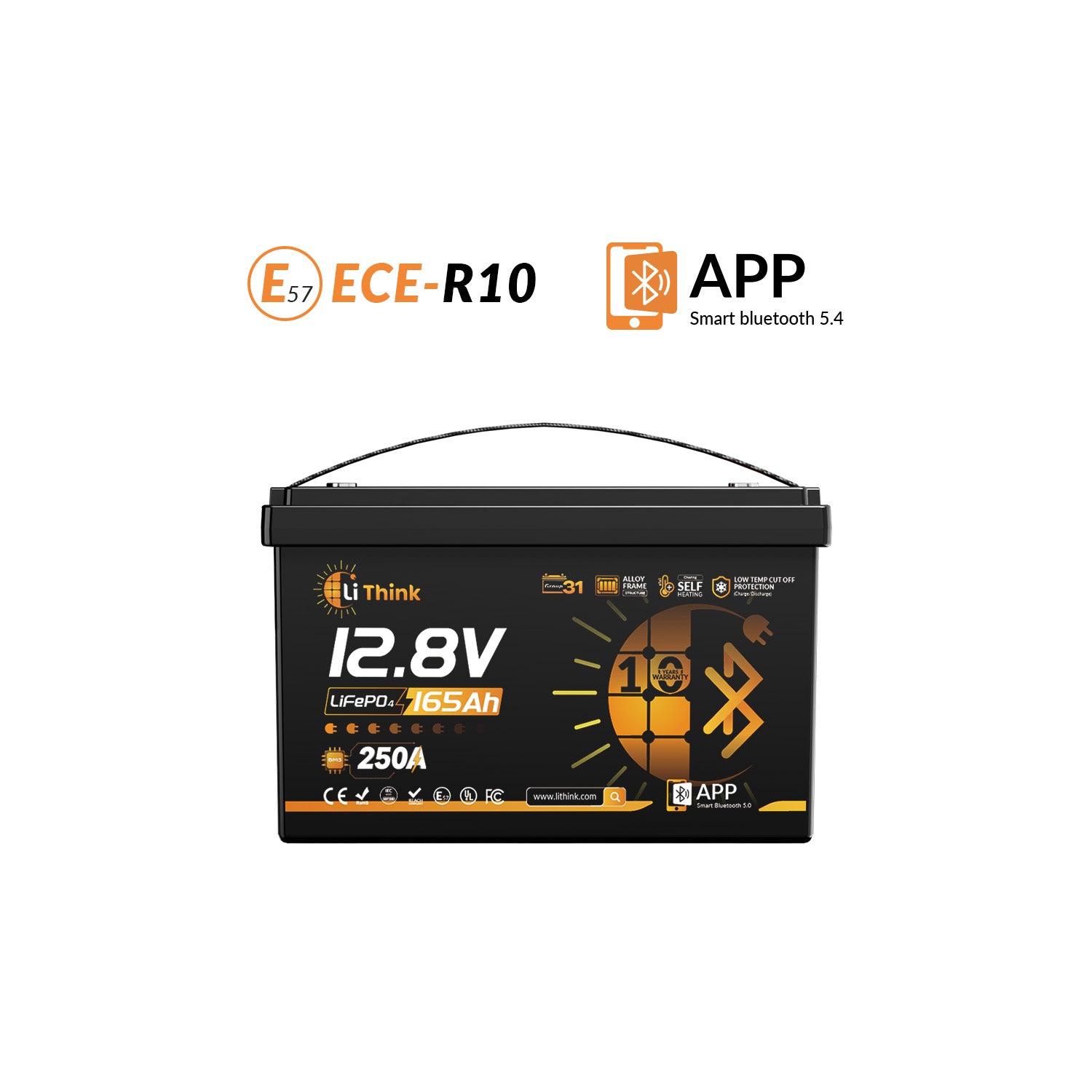
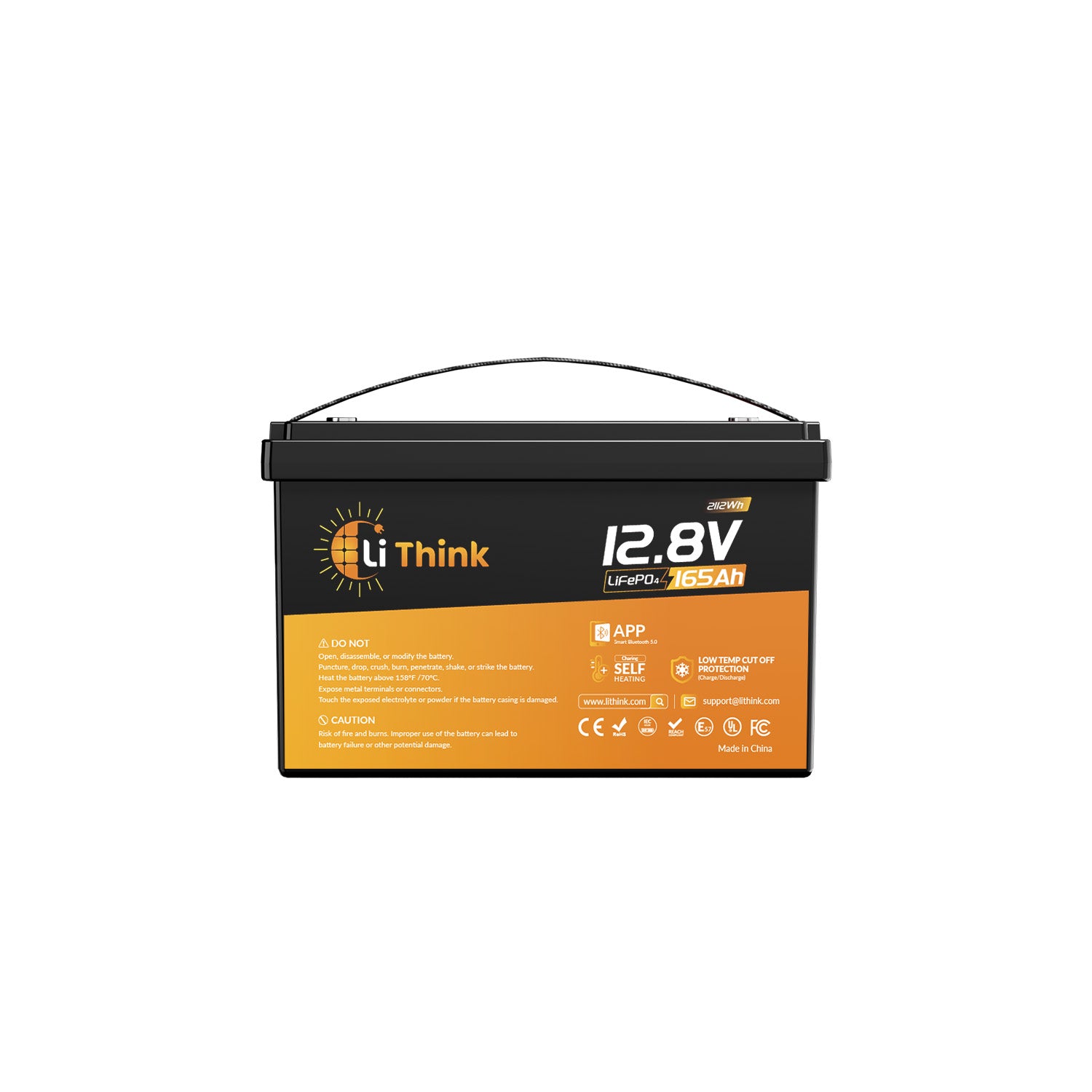
12V 165Ah Approx. 2.11 kWh 300–800W light-to-mid OBM class Approx. 6–7 hours Approx. 3–3.5 hours Approx. 1.5–2 hours Small fishing boats, inflatable boats, longer cruising, and users who need more runtime than 100Ah.
12V 314Ah Approx. 4.02 kWh 500W–1.5kW mid-to-high OBM class Approx. 12–13 hours Approx. 6–7 hours Approx. 3.5–4 hours Extended runtime, heavier boat loads, stronger propulsion demand, and longer days on the water.
*Runtime estimates are based on nominal battery energy divided by average power draw and are for reference only. Full-throttle use can reduce runtime significantly. Always confirm your electric outboard’s voltage, maximum current, BMS discharge requirement, cable size, fuse rating, and charger compatibility before installation.

Power Built for Electric Outboard Motors

LiThink LiFePO4 batteries are designed to support electric outboard motor systems that demand stable voltage, strong continuous output, and long-lasting deep-cycle energy. Whether you are powering a small fishing boat, dinghy, inflatable boat, or recreational watercraft, LiThink helps deliver reliable propulsion power for quieter, cleaner, and more efficient time on the water.

Electric Outboard Motor Battery Questions & Answers

Q1: How do I choose the right battery for my electric outboard motor?

A1: Start with your electric outboard motor’s required voltage, such as 12V, 24V, 36V, or 48V. Then check the motor’s maximum current and power demand to make sure the battery’s BMS can support the required continuous discharge current. The right battery should match both the voltage and the real power needs of your motor.

Q2: How much battery capacity do I need for longer runtime?

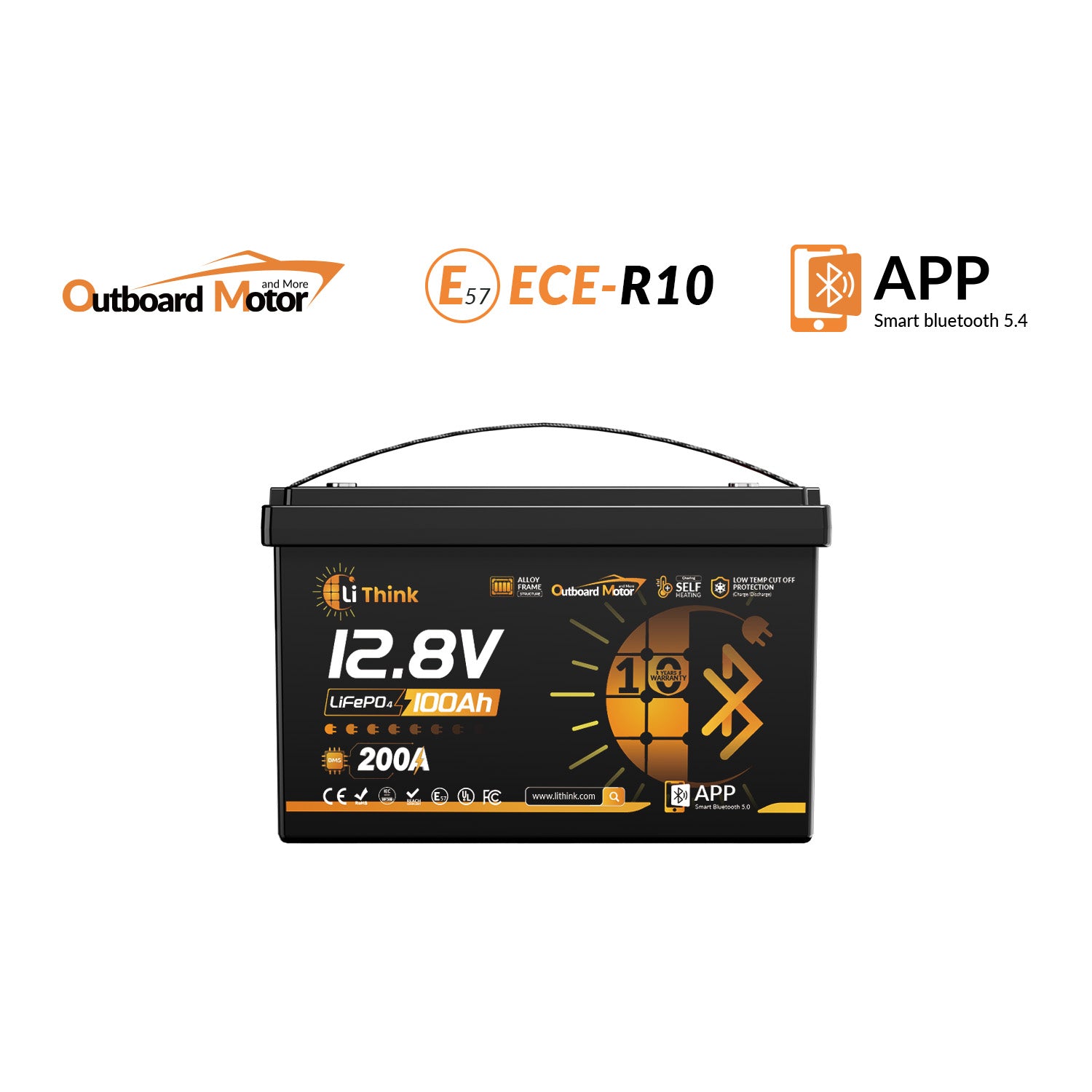
A2: Runtime depends on motor power, throttle level, boat weight, wind, waves, current, and total battery energy. A higher Ah rating usually provides longer runtime, but watt-hours are more useful for comparison. For example, a 12V 100Ah battery provides about 1.28kWh of energy, while a higher-capacity battery can support longer trips or heavier loads.

Q3: Why is BMS discharge current important for electric outboards?

A3: Electric outboard motors can draw high current, especially during acceleration, heavy load, or higher speed operation. If the battery’s BMS discharge rating is too low, the battery may trigger protection or fail to deliver stable power. Always check that the battery’s continuous and peak discharge capability matches your motor’s requirements.

Q4: Can I connect LiThink batteries in series or parallel for my electric outboard?

A4: Selected LiThink batteries support series or parallel connection, but the batteries must be the same model, same capacity, similar age, and balanced before connection. Series connection increases voltage, while parallel connection increases capacity. Always follow the product manual and confirm that the final battery system matches your electric outboard’s voltage and current requirements.

Q5: Can one battery power both the electric outboard and onboard electronics?

A5: In some setups, one battery system can power both the electric outboard and onboard electronics when the wiring, fuse protection, and voltage regulation are properly designed. However, sensitive devices such as fish finders, GPS units, and communication equipment may perform better with a separate or regulated power supply.

Need Help Choosing the Right Battery for Your Electric Outboard Motor?

Tell us your electric outboard motor's voltage (12V, 24V, or 36V), power rating in kW, boat type and weight, and your expected runtime per outing. Our team can recommend the right LiThink battery capacity and configuration for reliable, efficient electric propulsion.