Best LiFePO4 Batteries for RVs & Camping
How to Choose the Right Battery

for RV & Camping
8 reasons why LiThink is built for reliable power in your mobile home.
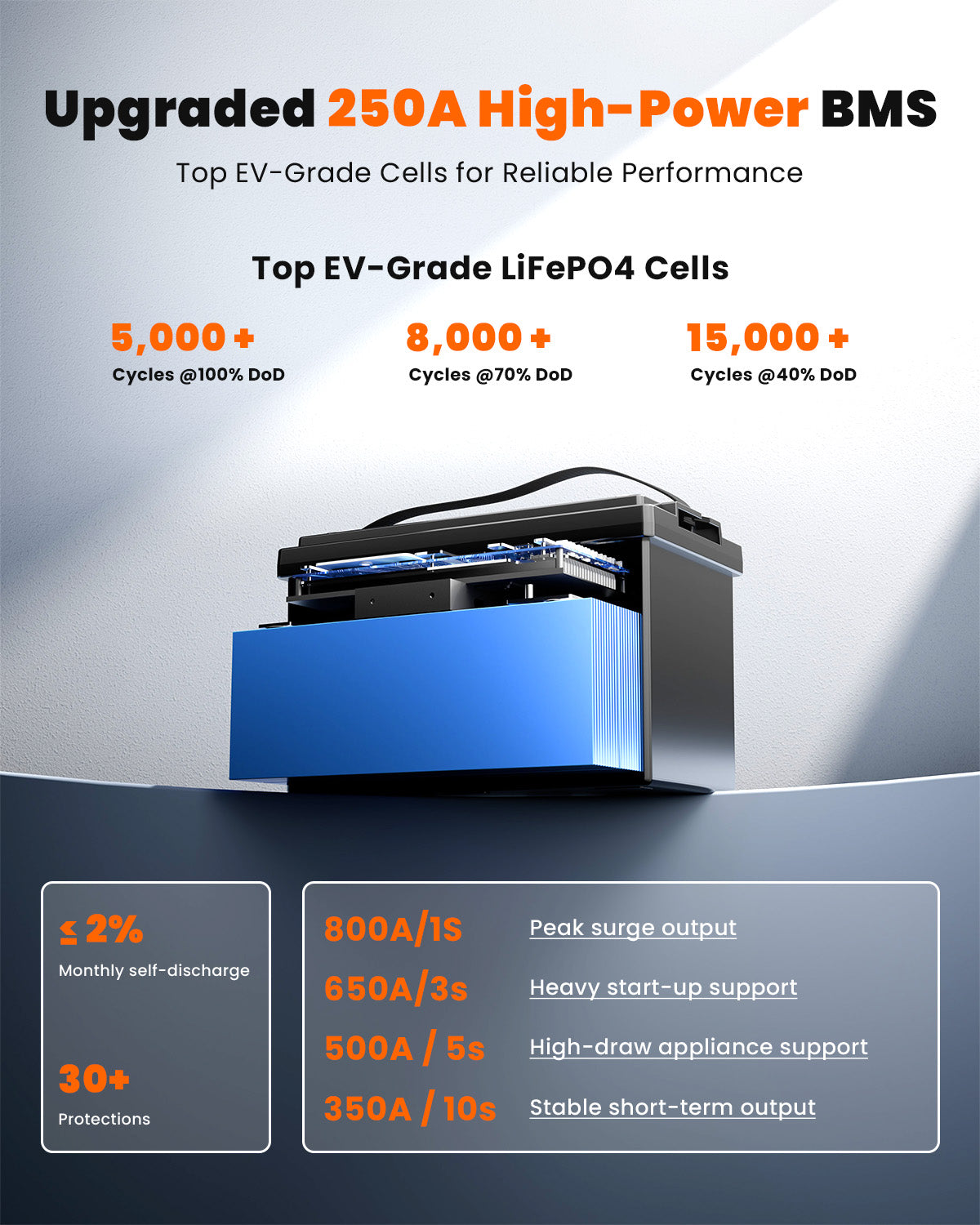
Cycles at 70% DoD
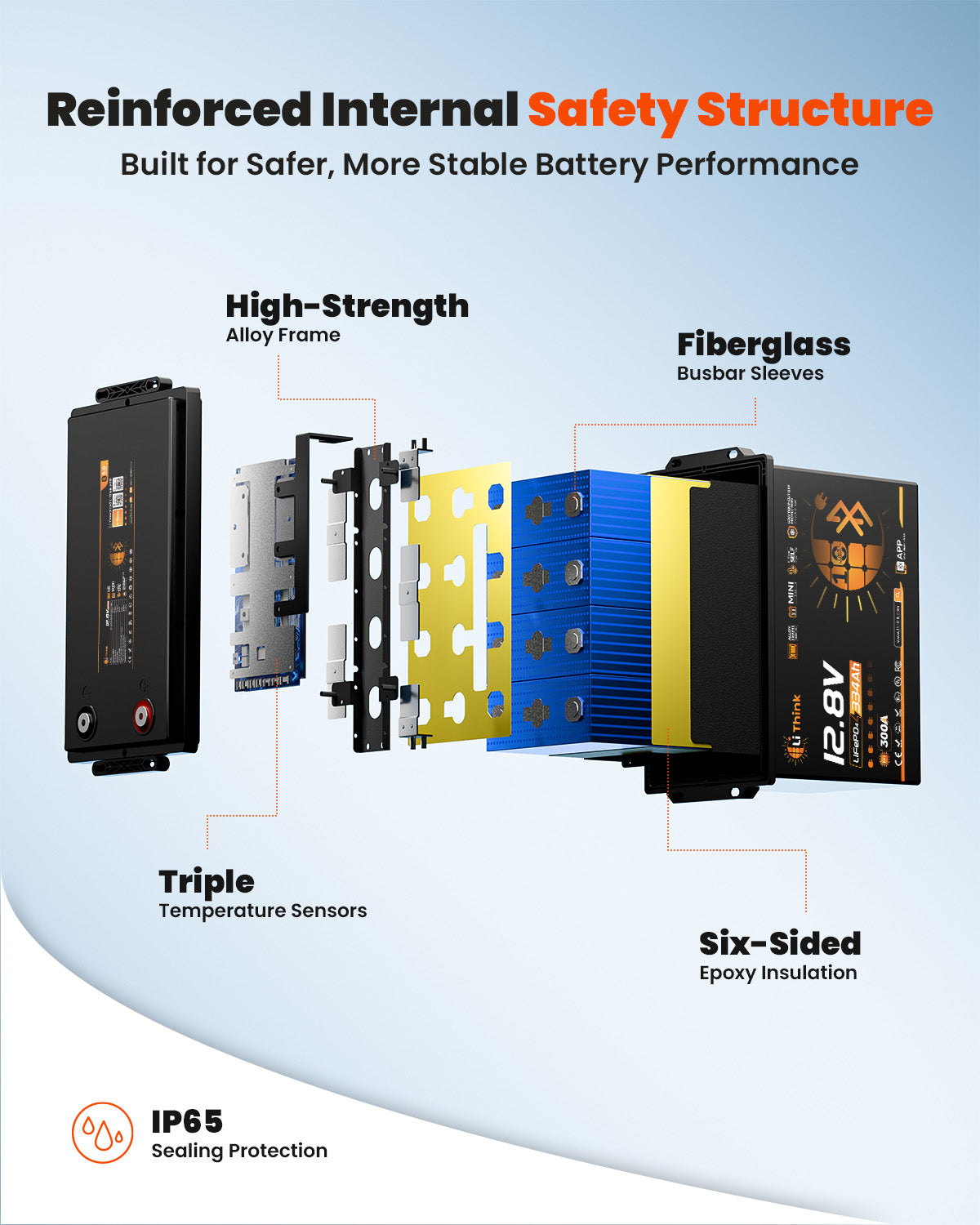
Designed for RV travel
Temperature sensors per battery
Überwachte Schutzparameter im BMS
LiFePO4 Batteries for RVs, Camper Vans & Travel Trailers
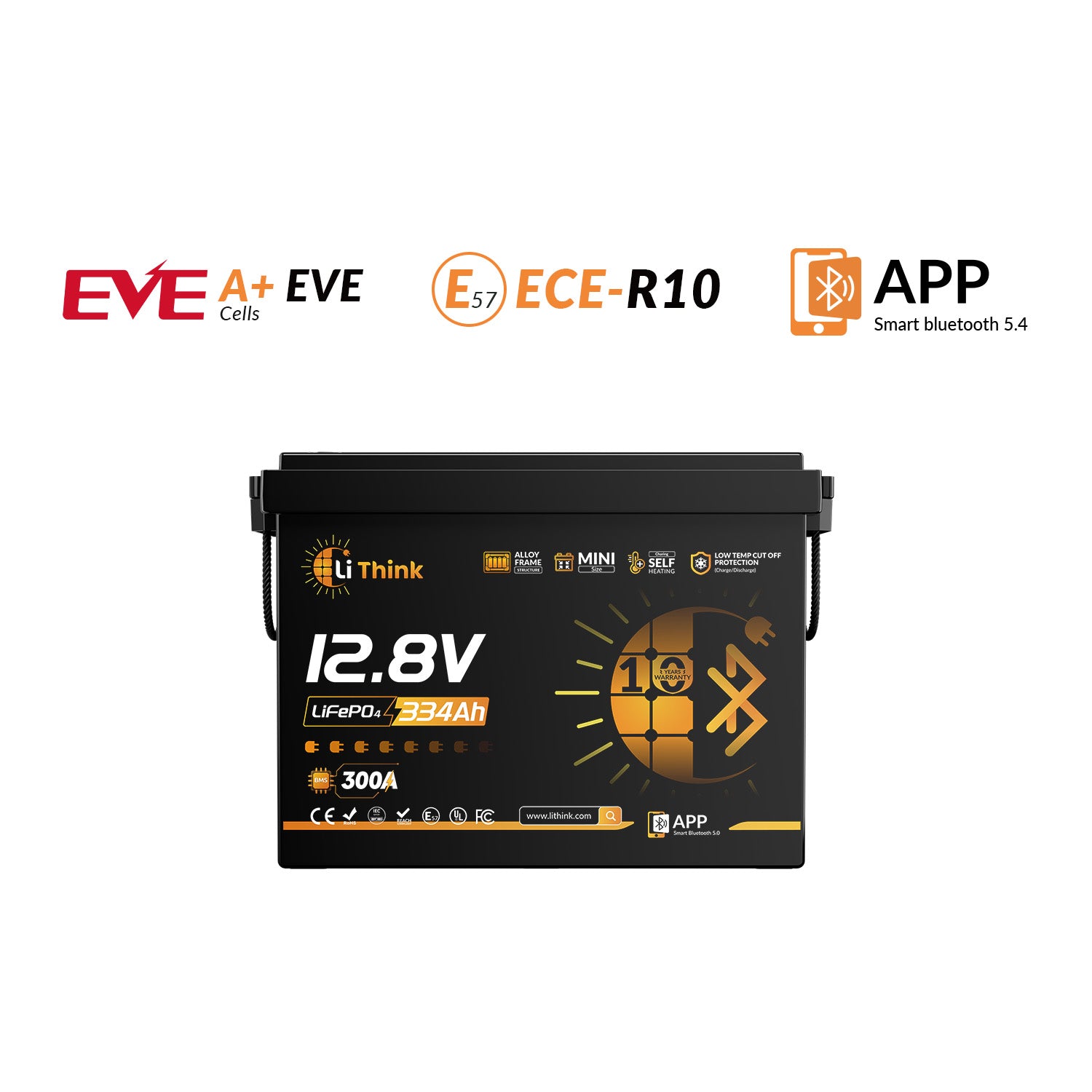
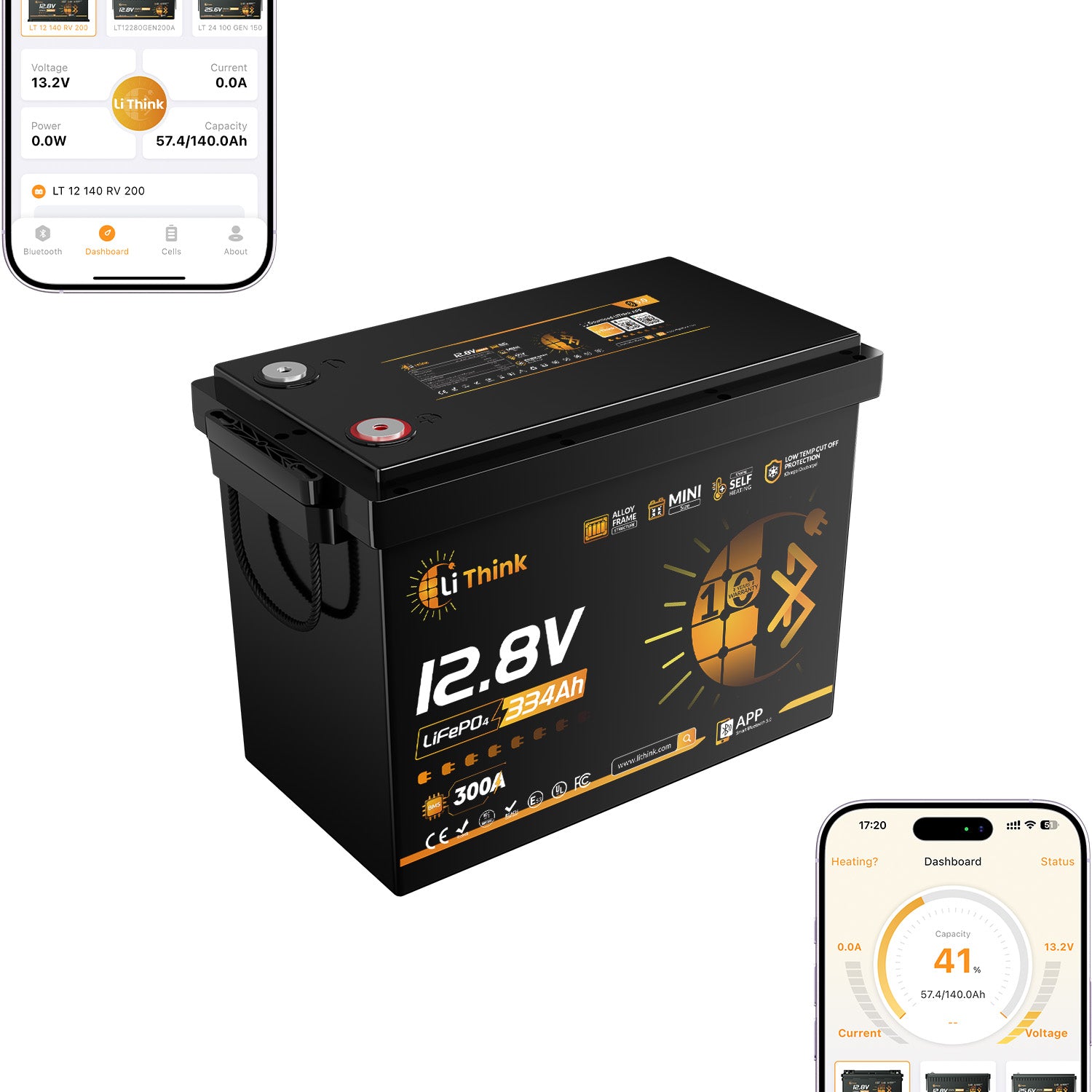
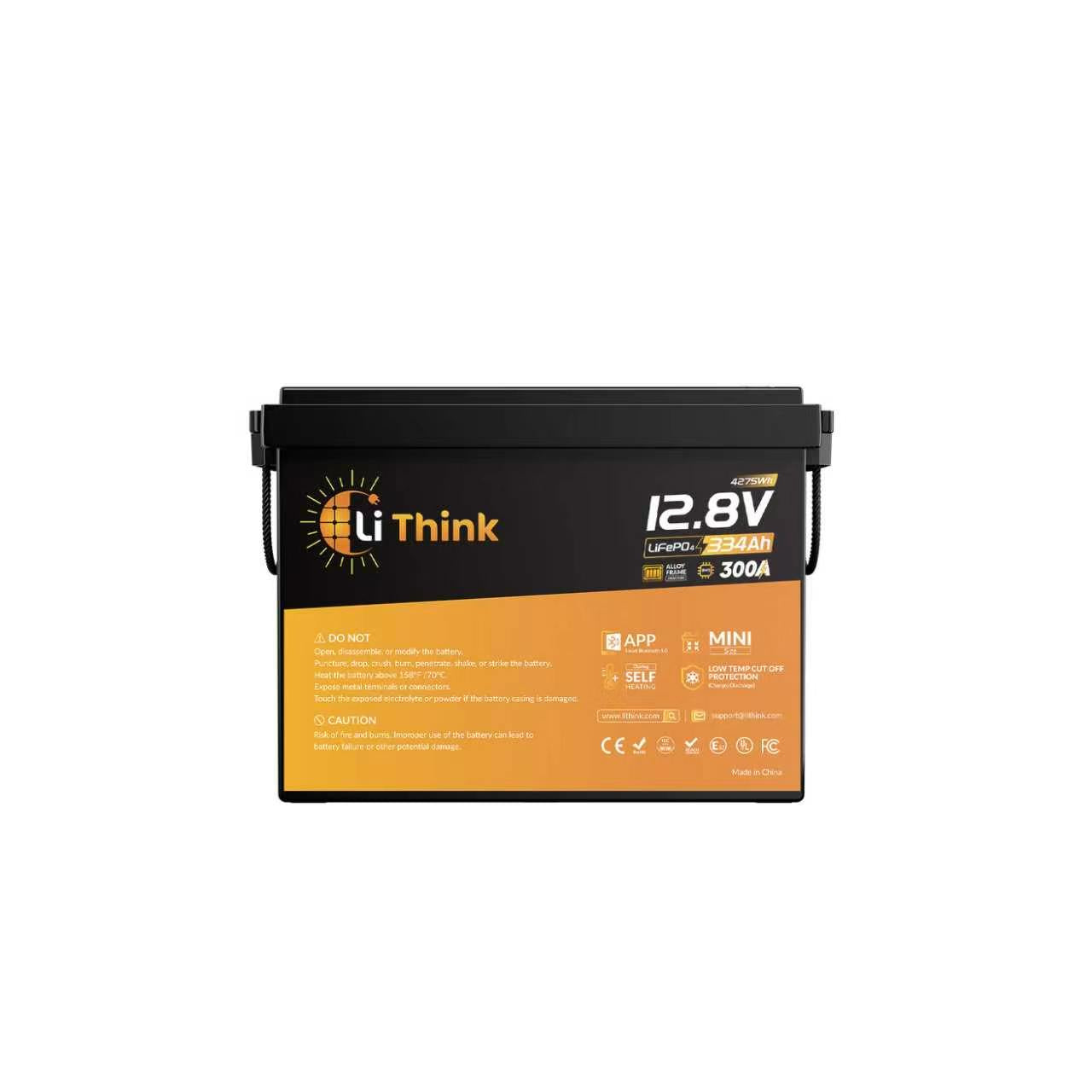
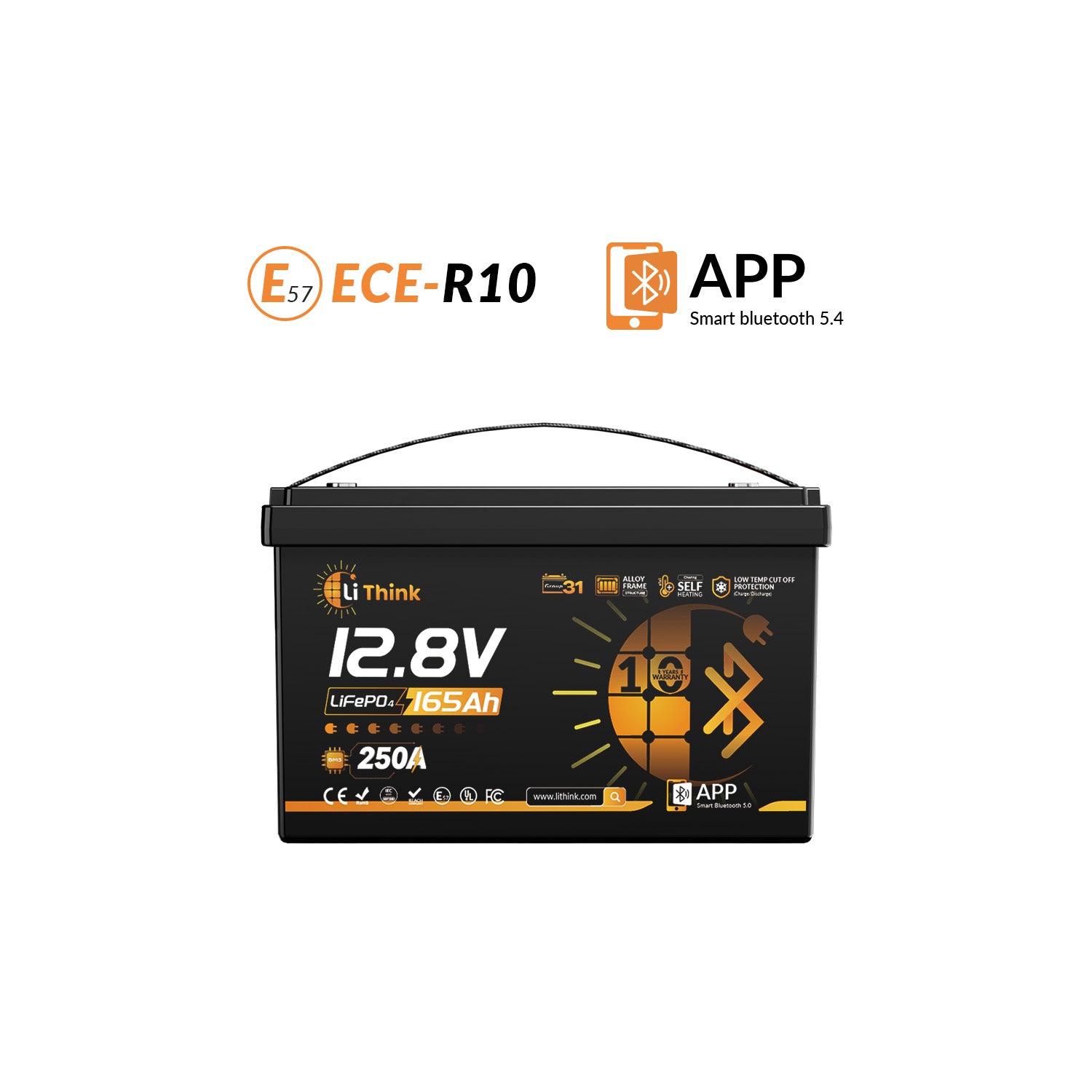
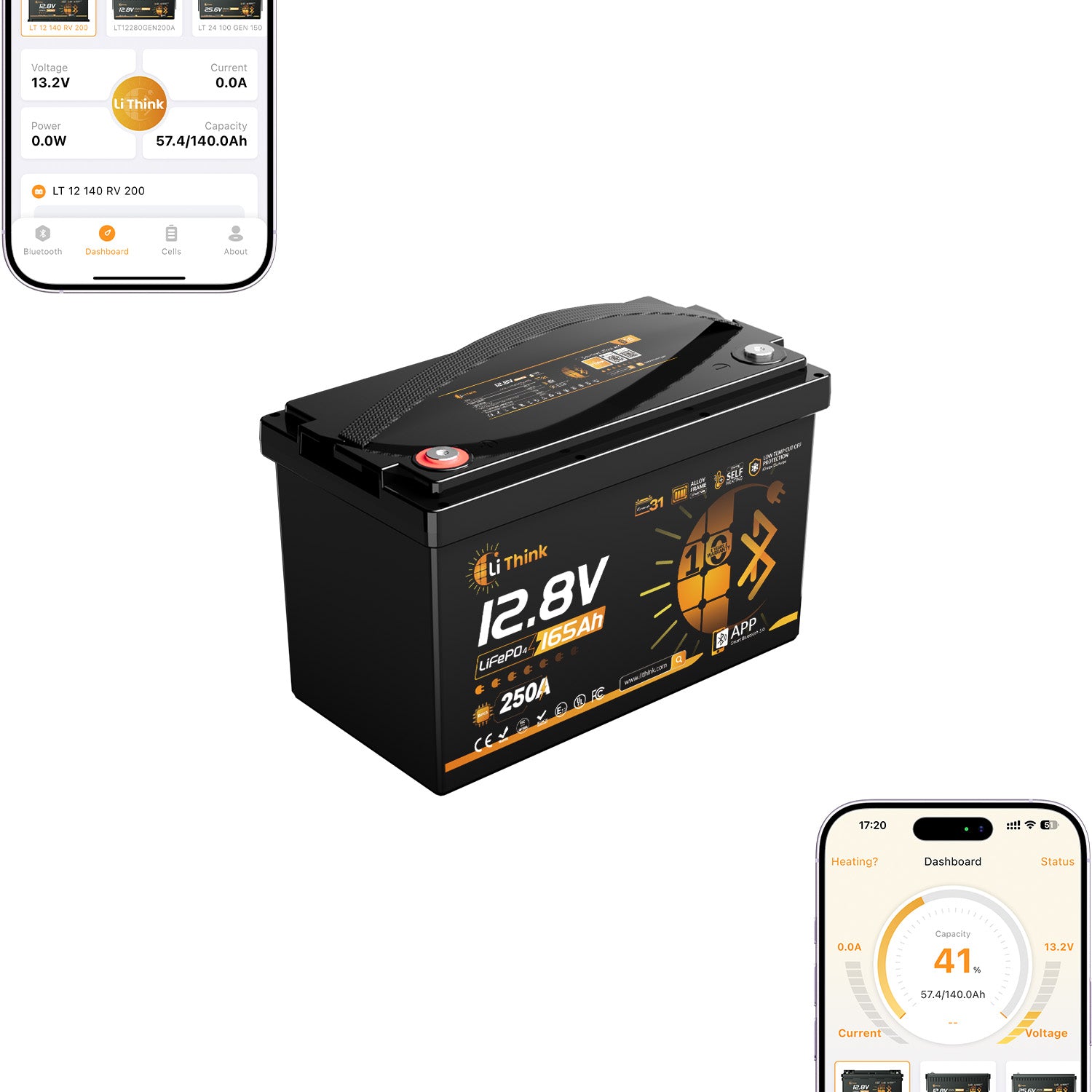
Find the right LiThink battery for your RV power setup. Whether you need a compact battery for weekend camping or a high-capacity system for longer off-grid stays, LiThink offers reliable LiFePO4 power for lights, refrigerators, pumps, inverters, solar charging, and more.
Sorry, there are no products in this collection.
| Use Case / Scenario | Typical Appliances / Power Draw | Recommended Energy (kWh) | Recommended Lithink Battery |
|---|---|---|---|
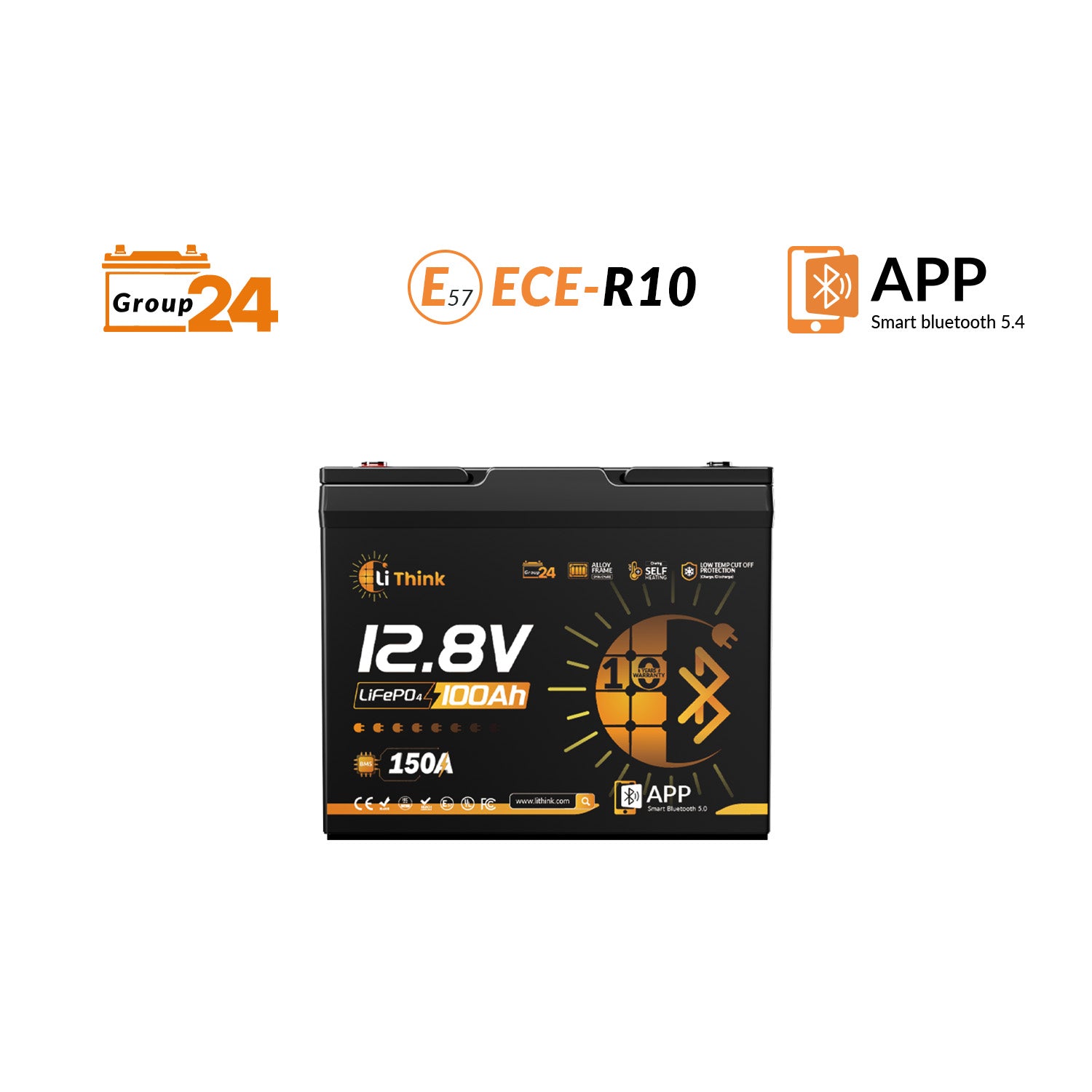
| Weekend Camping (1–2 Nights) | LED lights, 12V compressor cooler/small fridge, water pump, phone/tablet charging | Approx. 1–2 kWh | 12V 100Ah or 12V 140Ah |
| Touring RV (Frequent Boondocking 1–3 Nights) | 12V fridge, lights, water pump, roof vent fan, chargers, brief 110V/120V AC appliance use (coffee maker, etc.) | Approx. 2–3 kWh | 2× 12V 100Ah or 12V 280Ah |
| Comfort Glamping (Extended Boondocking 3–5 Nights) | Larger fridge, lights, pump, roof fan, TV/laptop, frequent 110V/120V AC appliance use (coffee maker, hair dryer, electric kettle) | Approx. 3–5 kWh | 12V 280Ah |
| Vanlife & Remote Work | Fridge, lights, pump, Wi-Fi router, multiple laptops, heavy-duty inverter, optional induction cooktop | Approx. 5–8 kWh | 2× 12V 280Ah |
| Energy (kWh) | Typical RV Application | Recommended Solar Power & Typical Daily Yield | Typical Off-Grid Time with Solar* |
|---|---|---|---|
| Approx. 1.3 kWh | Compact camper / Weekend trips – 12V cooler, LED lights, water pump, device chargers | Approx. 200 W (~0.6 kWh/day) | Approx. 4 days |
| Approx. 2.6 kWh | Classic 2-person RV – 12V fridge, lights, pump, roof fan, small 110V/120V appliances | Approx. 300 W (~0.8 kWh/day) | Approx. 3 days |
| Approx. 3.8 kWh | Comfort camper – Larger compressor fridge, lights, pump, roof fan, TV/laptop, brief 110V/120V AC use (coffee maker, etc.) | Approx. 400 W (~1.1 kWh/day) | Approx. 3–4 days |
| Approx. 5.1 kWh | Touring RV with frequent boondocking – Daily TV/laptop use and frequent 110V/120V AC appliance use (coffee maker, hair dryer) | Approx. 600 W (~1.7 kWh/day) | Approx. 5 days |
| Approx. 7.7 kWh | Full-time Vanlife / Long-term travel with high power demand – Remote work, heavy 110V/120V AC appliances, optional induction cooktop | Approx. 800 W (~2.2 kWh/day) | Approx. 8 days |
Run Your RV Electrical System with Confidence
From upgrading your RV house battery to building a stronger off-grid power setup, LiThink provides dependable LiFePO4 energy for motorhomes, camper vans, travel trailers, and camping systems. Choose the right capacity for your available space, runtime needs, and budget — and power your RV more quietly, efficiently, and with less maintenance.
Questions About RV Batteries?
Not sure which LiThink battery fits your RV setup? Start with these common questions.
Q1: How do I know which LiThink battery fits my RV?
Start with your daily power needs and available installation space. If you mainly run lights, USB devices, a small fridge, and a fan, a compact 100Ah–140Ah battery may be enough. If you use a water pump, inverter, coffee maker, microwave, laptop, or solar system, a larger 165Ah, 280Ah, 314Ah, or 334Ah battery will give you more runtime and better power headroom.
Q2: How do I choose the right capacity for my RV power system?
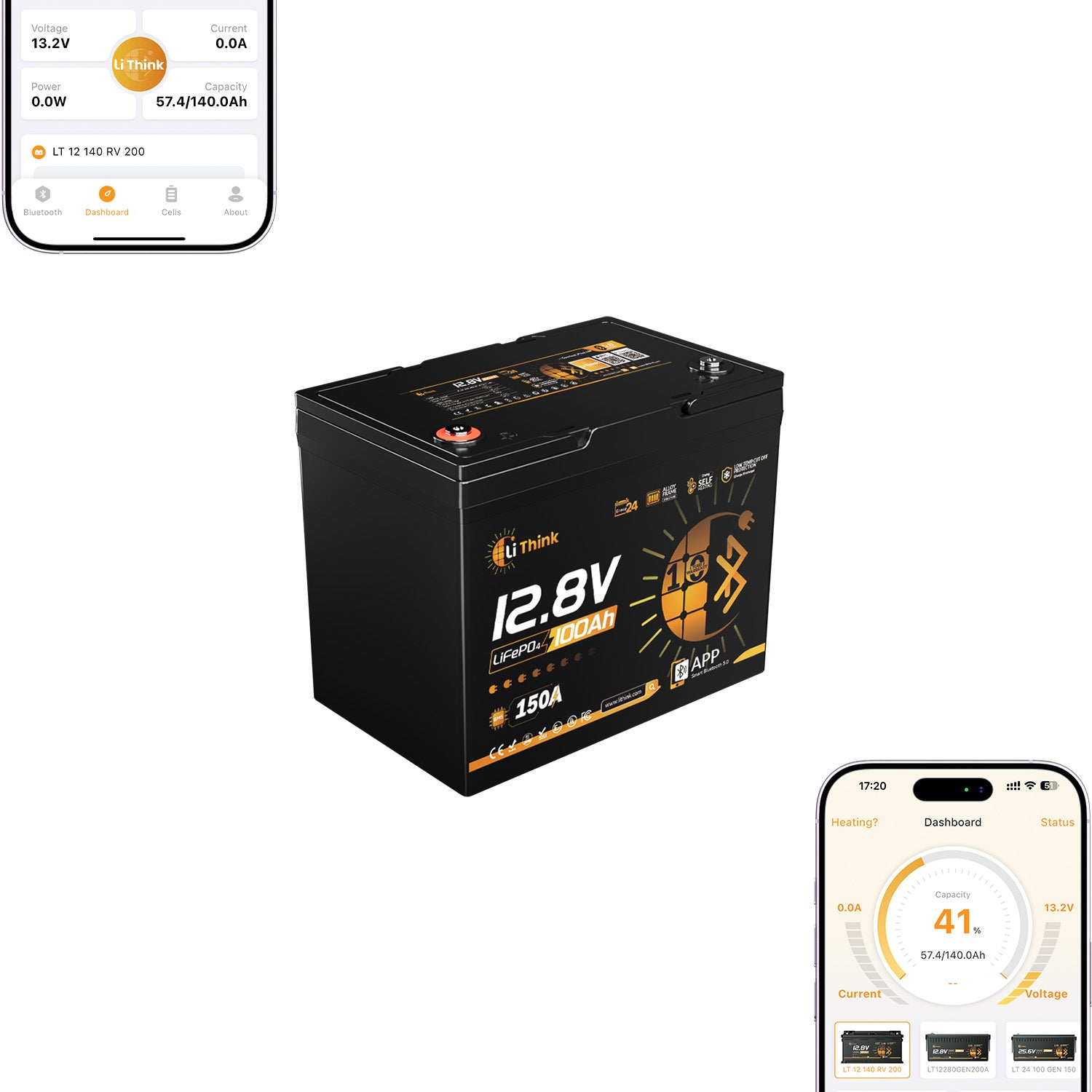
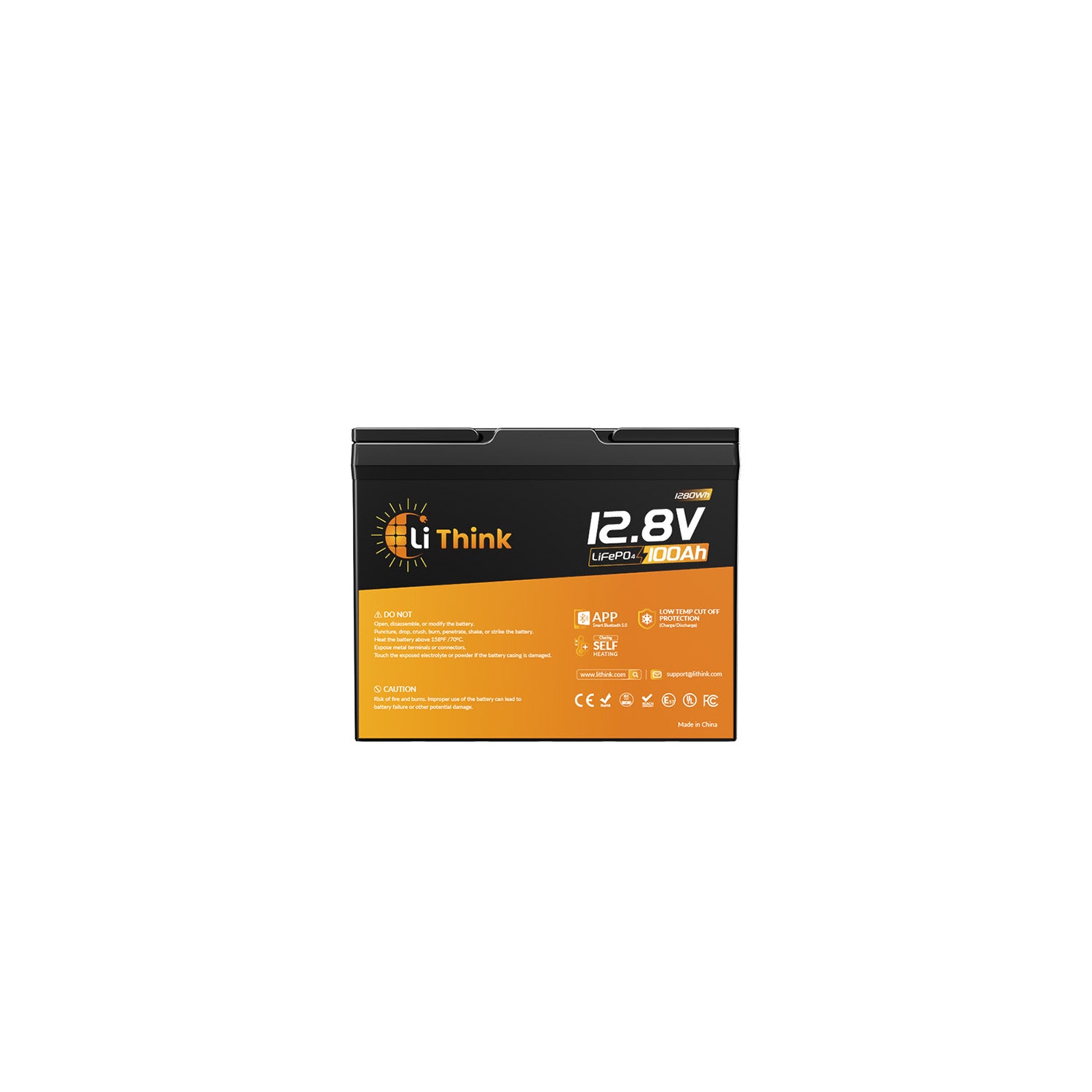
List the devices you use, their wattage, and how many hours you use them per day. This gives you your daily energy demand in Wh. For example, a 12V 100Ah battery provides about 1,280Wh, while a 12V 314Ah battery provides about 4,019Wh. Choose more capacity if you camp off-grid, use an inverter, or want fewer charging stops.

Q3: Should I use one battery or multiple batteries?
One large battery is usually simpler to install and easier to manage. Multiple batteries can provide more layout flexibility and allow future expansion. For best performance, use matching LiThink batteries of the same model, capacity, age, and similar state of charge when connecting batteries together.
Q4: What should I check before using LiFePO4 with my charger, solar controller, or DC-DC charger?
Make sure your charging equipment supports LiFePO4 batteries. Lithium batteries require different charging settings from AGM, gel, or flooded lead-acid batteries. Check charging voltage, float setting, equalization mode, temperature compensation, and maximum charge current before use.
Q5: Does temperature affect RV battery performance?
Yes. LiFePO4 batteries should not be charged below freezing unless they have low-temperature protection or self-heating. LiThink self-heating models are especially useful for winter camping, cold garages, mountain trips, and off-season storage.