
Lithink Lab
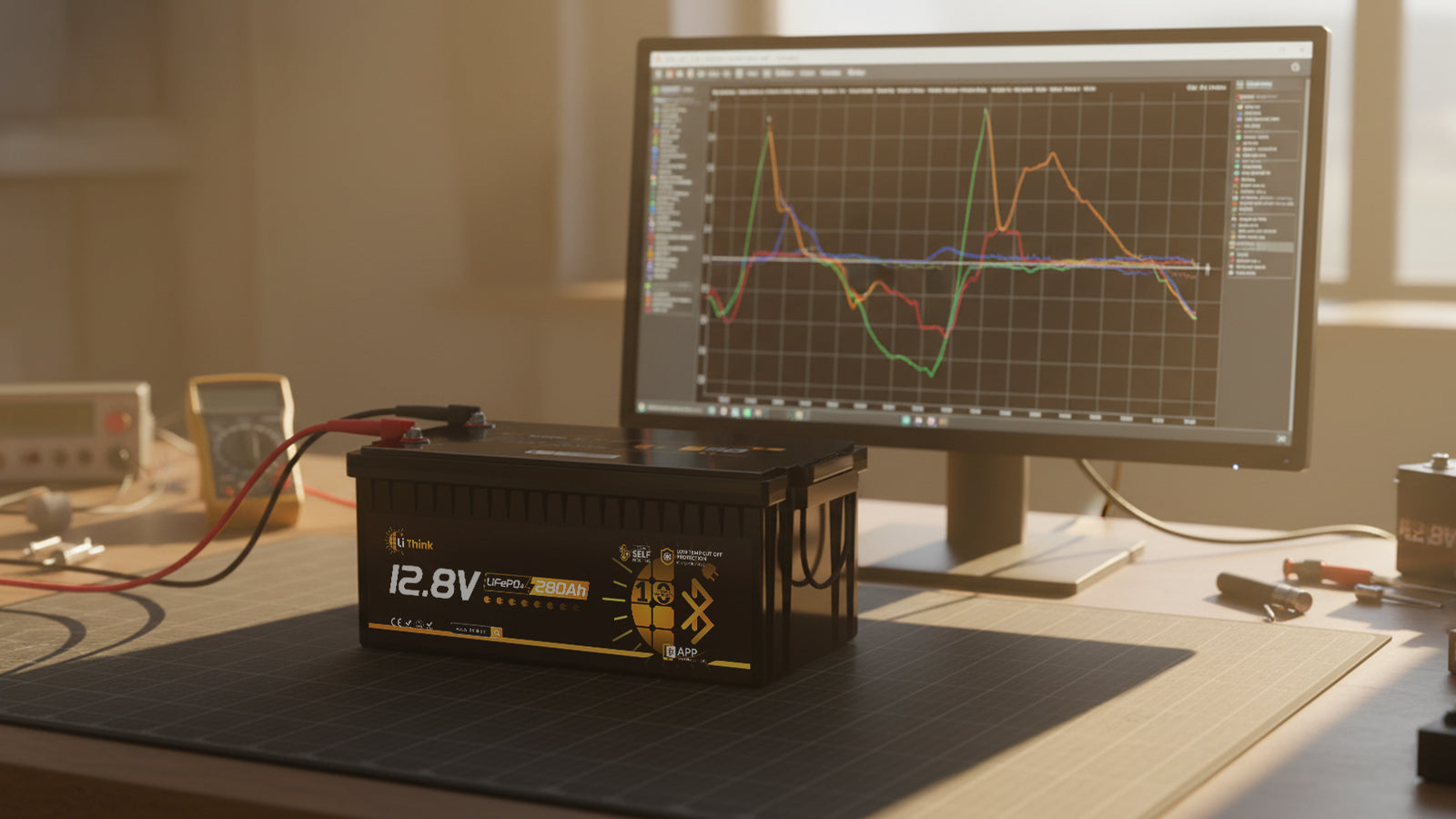



IEC 62619 & UN 38.3: Battery Safety Standards Explained
Understand IEC 62619 & UN 38.3: goals, key tests, differences, battery safety in operation, and compliant transport of Li-ion batteries.
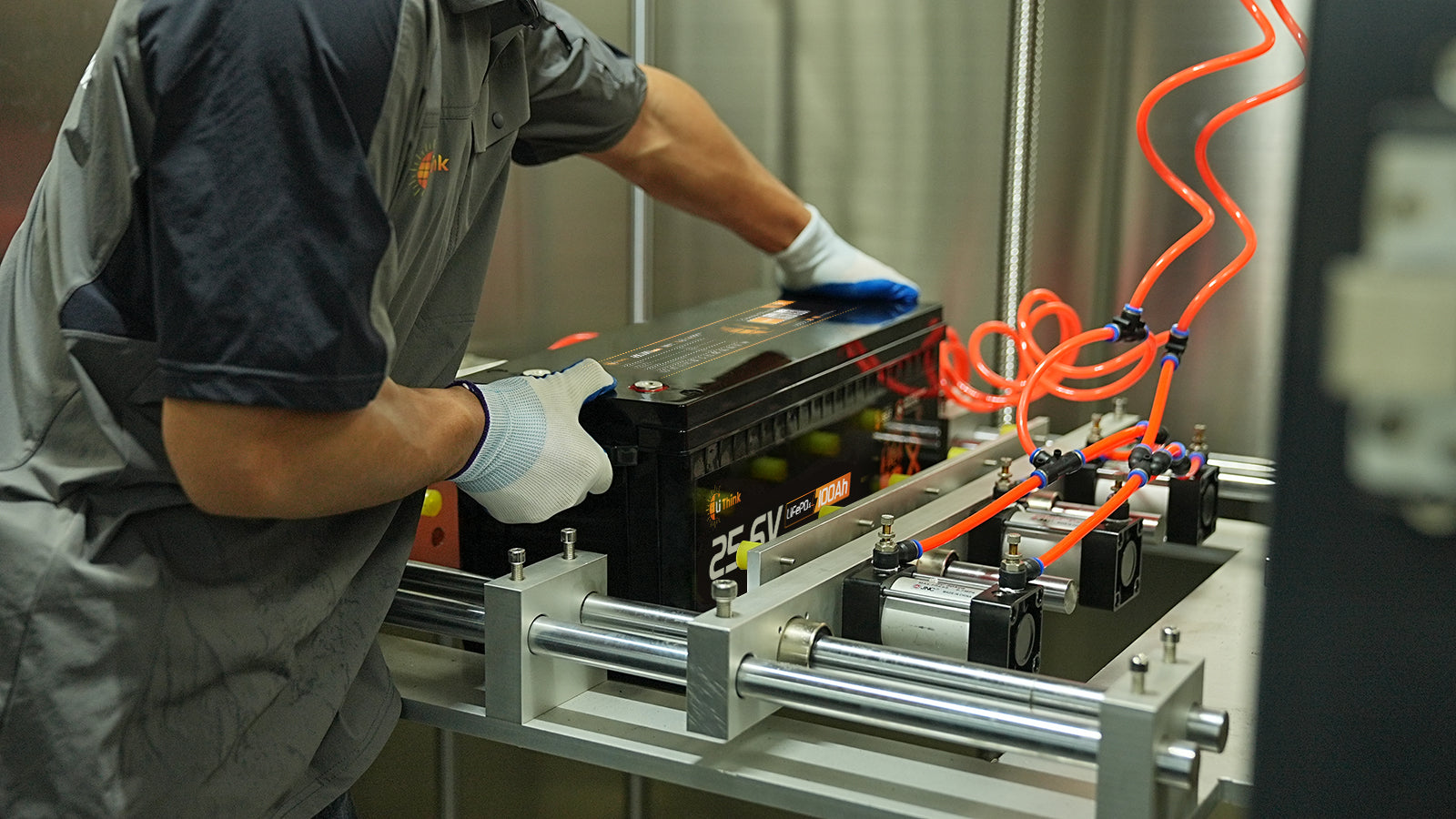
Why Lab Tests Are Crucial for Battery Safety
Warum Labortests zählen: Von UN 38.3 bis IEC – Prüfungen zu Vibration, Schock, Kurzschluss und Temperatur sichern sichere, langlebige LiFePO₄-Batterien.

Vibration, Shock & Transport: LiFePO4 Batteries on the Road
Keep LiFePO4 batteries safe during vibration, shock and transport: causes, effects, rugged design, BMS and UN 3480/3481 packaging compliance.

Why LiFePO4 Batteries Need Cell Compression for Safety
Learn why LiFePO4 batteries need cell compression: less swelling, stable contact, more cycles and safety for RVs and home energy storage.

Why LiFePO4 Delivers More Usable Energy at 100Ah
Why does LiFePO4 deliver more at 100Ah? Learn about its stable discharge curve, low internal resistance, high DoD, cold performance, and smart BMS.